
AntibodySystem New Citations in August 2026
In August 2026, AntibodySystem products were cited in research published in journals including Advanced Science, Chemical Engineering Journal, International Journal of Molecular Medicine, Journal of Medicinal Chemistry, Neuroscience Bulletin, Journal of Virology, and Vaccines. The featured studies cover a range of research areas, including peripheral nerve regeneration, EBV-associated tumor metabolism, cancer immunotherapy, vascular endothelial injury, targeted protein degradation, Alzheimer's disease, antiviral immunity, vaccine development, and viral neutralization.
This month's publication highlights feature nine representative studies citing AntibodySystem antibodies and recombinant proteins across diverse experimental applications.
1. Advanced Science | IF: 14.1
Title: Pre-Regenerative Endothelial Cells Empowered by Antler Blood Exosomes Orchestrate Peripheral Nerve Repair

Cited Product: PHC20201 | Anti-CDK1 Polyclonal Antibody

Application: PHC20201 was used for Western blotting (WB) to measure CDK1 protein levels in control, LV-IMP3, and LV-shIMP3 endothelial cells, allowing assessment of the relationship between IMP3 and CDK1 expression.
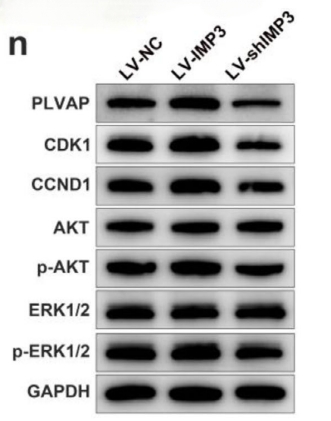
Key Findings: The study identified angiogenic endothelial cells (AECs) as key components of the pro-regenerative vascular microenvironment. Antler blood-derived exosomes promoted IMP3-high AEC expansion, enhancing angiogenesis, axonal regeneration, and functional recovery after peripheral nerve injury.
2. Advanced Science | IF: 14.1
Title: EBV-Driven ODC1 Upregulation Enhances Polyamine Anabolism to Promote Viral Replication and Cisplatin Resistance in Nasopharyngeal Carcinoma
Cited Product: RGK08101 | Anti-Hypisine Antibody (Hpu24)

Application: RGK08101 was used for Western blotting to assess eIF5A hypusination in EBV-positive nasopharyngeal carcinoma cells and investigate the ODC1-spermidine-eIF5A axis in EBV replication and tumor cell proliferation.
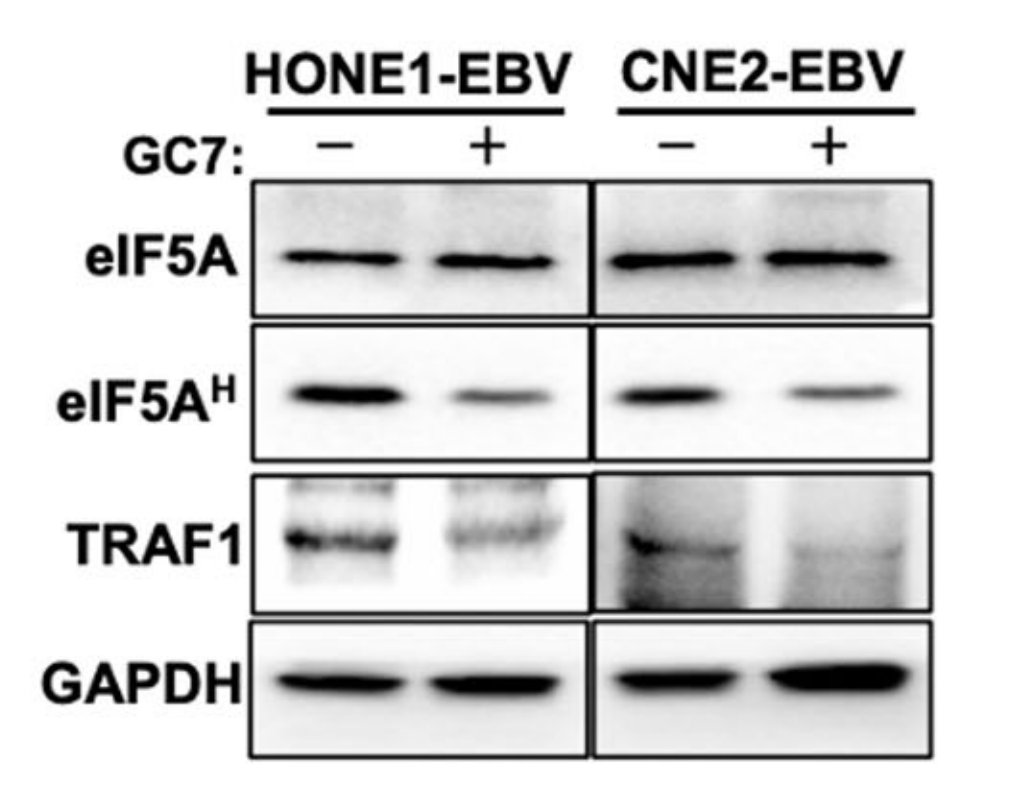
Key Findings: The study showed that EBV BZLF1 activates ODC1 transcription, increasing polyamine synthesis and eIF5A hypusination to promote viral replication and tumor cell proliferation. ODC1 inhibition with DFMO restored cisplatin sensitivity in EBV-positive nasopharyngeal carcinoma cells.
3. Chemical Engineering Journal | IF: 12.5
Title: Immunomodulator Triptolide Synergizes with Black Phosphorus Nanosheets-Mediated Calcium Overload for Mild Heat-Potentiated Cancer Immunotherapy
Cited Product: PTB96441 | Goat Anti-Rabbit IgG H&L Polyclonal Antibody, FITC

Application: PTB96441 was used for immunofluorescence (IF) staining to examine the expression and localization of HSP70, CRT, HMGB1, and PD-L1 in 4T1 breast cancer cells.
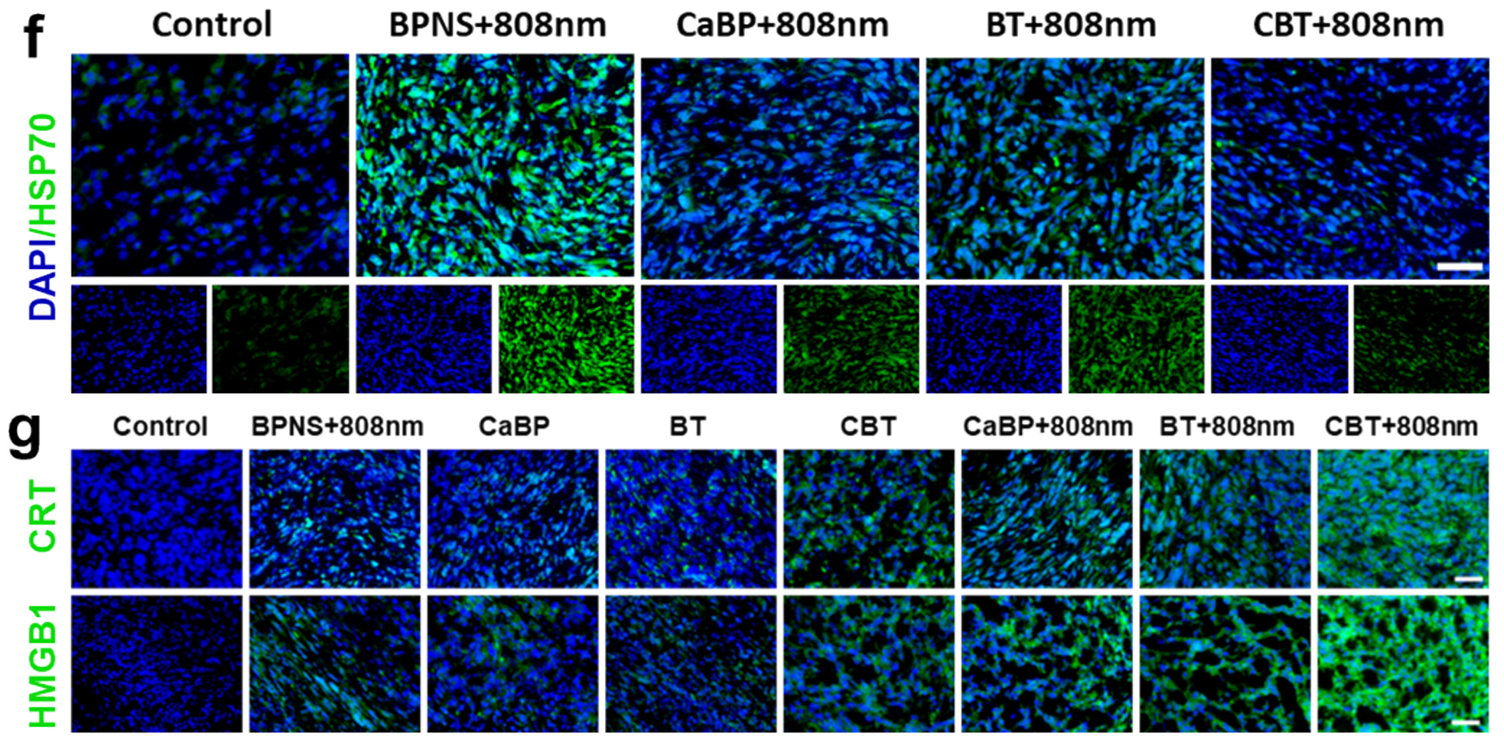
Key Findings: The study developed a pH- and laser-responsive black phosphorus nanosystem for co-delivery of Ca²⁺ and triptolide (TPL). The treatment induced calcium overload, reduced PD-L1 expression, modulated the tumor immune microenvironment, and inhibited primary tumor growth and distant metastasis in a bilateral 4T1 model.
4. International Journal of Molecular Medicine | IF: 8.5
Title: Brazilian Attenuates Methylglyoxal-Induced Endothelial Injury by Enhancing eIF5A Hypusination and Inhibiting the AMPK/mTOR-Mediated Autophagy/Apoptosis Axis In Vitro and In Vivo
Cited Product: RGK08101 | Anti-Hypuse Antibody (Hpu24)

Application: RGK08101 was used for Western blotting to measure hypusinated eIF5A in HUVECs, methylglyoxal-treated mouse vascular tissues, and vascular tissues from db/db mice. The antibody was also used for immunofluorescence analysis.
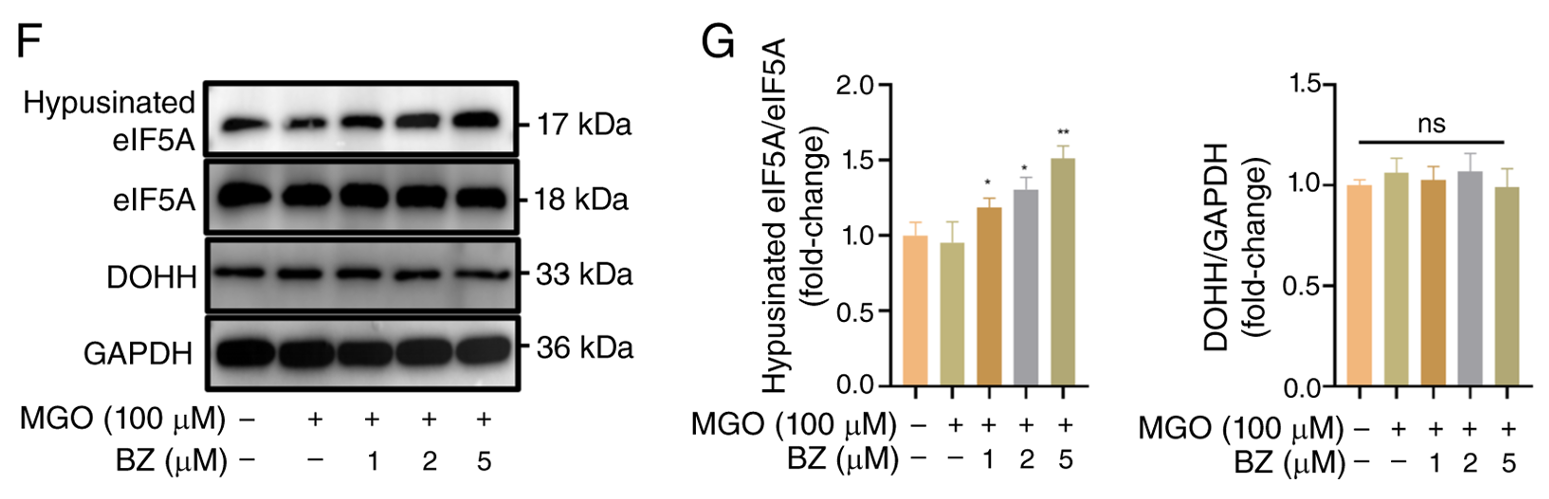
Key Findings: Brazilian enhanced eIF5A hypusination through DOHH activation and inhibited the AMPK/mTOR-mediated autophagy/apoptosis pathway. These effects reduced methylglyoxal-induced endothelial injury and were also observed in db/db diabetic mice.
5. Journal of Medicinal Chemistry | IF: 7.3
Title: Discovery of Highly Potent and Selective, Orally Bioavailable BTK-Targeting PROTACs Featuring Novel CRBN-Binding Warheads
Cited Product: EHK60701 | Recombinant Human CRBN & DDB1 Protein, N-Strep & C-His

Application: EHK60701 was used in flow cytometry (FCM) to measure BTK protein levels in circulating mouse B cells (TCR-B220+) following a single oral dose of BTK-targeting PROTACs at 3 mg/kg.
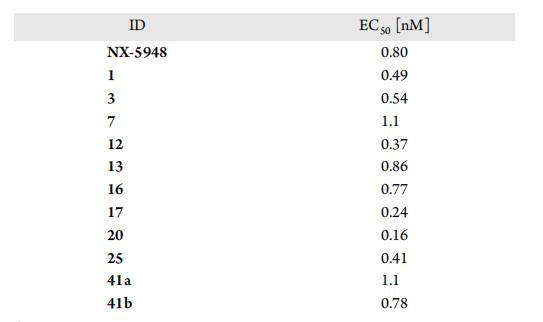
Key Findings: The study identified the BTK-targeting PROTAC candidates ISM-PR25 and ISM-PR44, which showed potent degradation of wild-type and mutant BTK, including C481S and L528W. Both compounds also showed favorable oral bioavailability with limited degradation of IKZF1, IKZF3, and GSPT1.
6. Neuroscience Bulletin | IF: 6.8
Title: An ApoE-Associated Low-Inflammatory Microglial State Emerges After Inflammatory Challenge in Alzheimer's Disease Mice
Cited Product: RMB98601 | Anti-Mouse APOE Antibody (HJ6.3)

Application: RMB98601 was used for immunofluorescence and Western blotting to examine ApoE expression and localization in brain tissues from LPS-challenged Alzheimer's disease mouse models and in primary microglia.
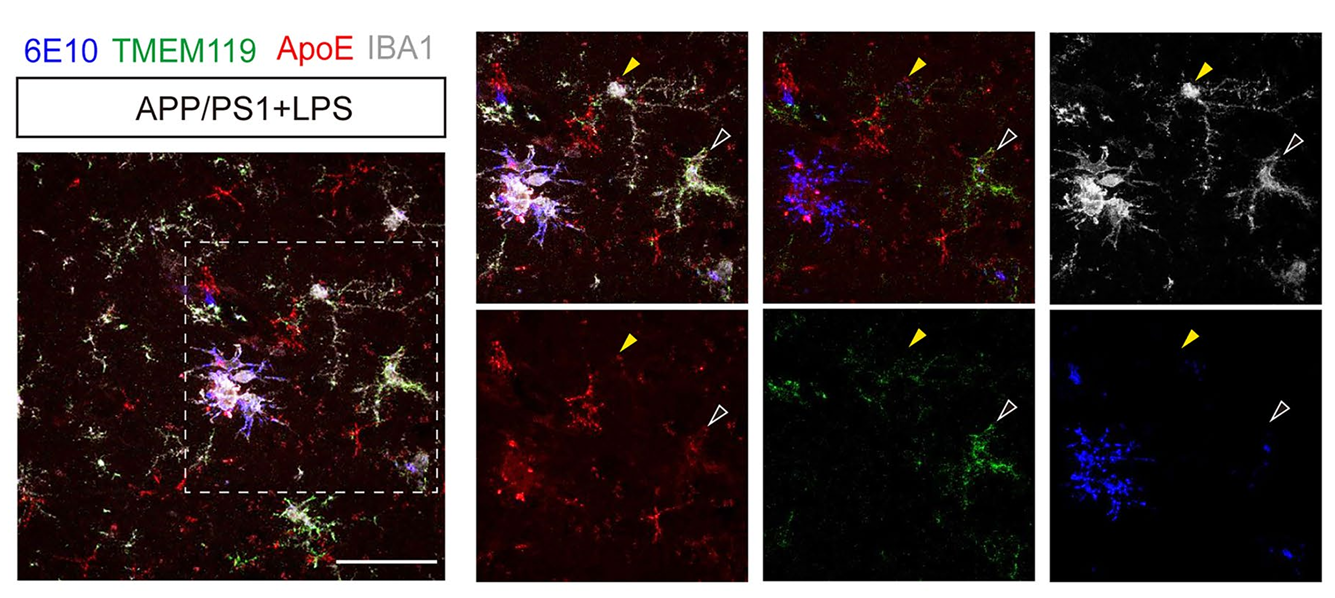
Key Findings: The study identified an ApoE-associated low-inflammatory microglial state (LIM) characterized by reduced inflammatory signaling and increased mitochondrial and DAM-associated gene expression. ApoE was found to contribute to LIM formation and was associated with lipid metabolism and mitochondrial function.
7. Journal of Virology | IF: 4.1
Title: Nectin4 Restricts Pseudorabies Virus Infection by Blocking gD-Nectin1 Interaction
Cited Product: EVV32901 | Recombinant PRV gD/US6 Protein, C-His

Application: EVV32901 was used in surface plasmon resonance (SPR) experiments to characterize the interaction between Nectin4 and PRV gD and assess the effect of Nectin4 on the gD-Nectin1 interaction.
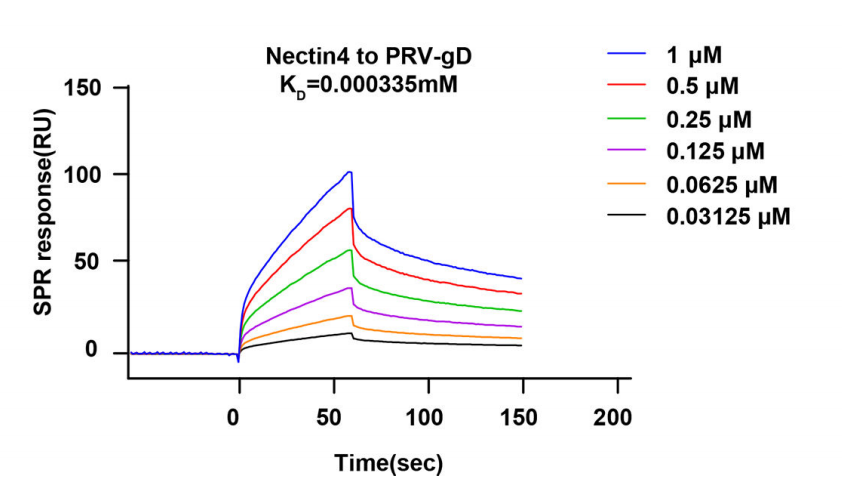
Key Findings: Nectin4 was identified as a restriction factor against alphaherpesviruses, including PRV and HSV-1. By binding PRV gD through its IgV domain, Nectin4 competitively blocks gD-Nectin1 interaction and restricts viral internalization.
8. Vaccines | IF: 3.5
Title: Development and Evaluation of Novel mRNA-LNP Vaccine Candidates Against Nipah Virus Using Head-to-Head Dimeric Antigens
Cited Products:
PIV07091 | Anti-Nipah Virus/HeV G Protein/Glycoprotein G Polyclonal Antibody
PIV08101 | Anti-Nipah Virus/HeV F/Fusion Glycoprotein F0 Polyclonal Antibody
EVV08101 | Recombinant Nipah Virus/NIV F/Fusion Glycoprotein F0 Protein, C-His
EVV07901 | Recombinant Nipah Virus G Protein/Glycoprotein G Protein, C-His


Application: PVV07901 and PVV08101 were used for Western blotting to confirm expression of the 2Gs/NV1 and 2Fs/NV2 antigens in HEK293T cells. EVV08101 and EVV07901 were used as ELISA coating antigens to measure anti-NiV F/G binding antibody titers in mouse and Syrian hamster sera.
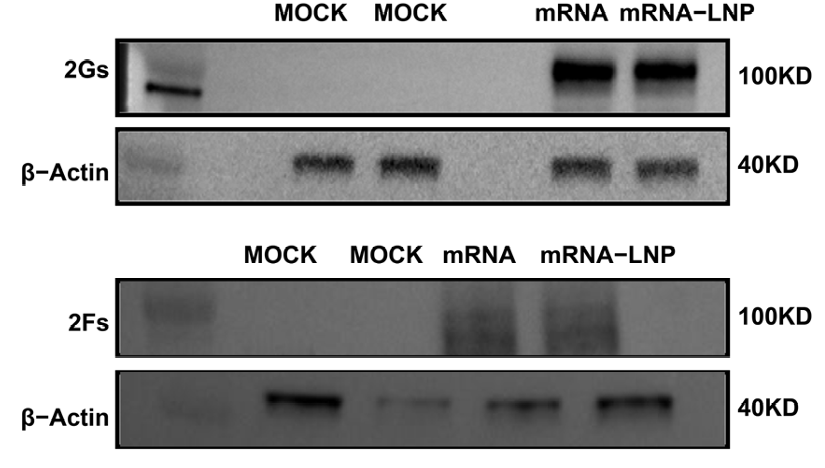
Key Findings: The researchers designed head-to-head dimeric antigens based on the head domains of NiV F and G proteins and evaluated the resulting mRNA-LNP vaccine candidates. NV1 and NV3 induced strong humoral and pseudovirus-neutralizing antibody responses, while NV2 generated a stronger Th1-biased cellular response; NV3 elicited both humoral and cellular immunity.
9. bioRxiv
Title: The S1B-Targeting PEDV Neutralizing Antibody C62 Prematurely Activates S-Trimer and Mimics Receptor Function
Cited Product: PVV31306 | Anti-PEDV S2/Spike Glycoprotein 2 Polyclonal Antibody

Application: PVV31306 was used for Western blotting following trypsin/proteinase K digestion of PEDV S-trimer to detect S2 and the protease-resistant post-fusion S2 structure. The antibody was also used for S protein detection in negative-stain electron microscopy and cell-fusion assays.
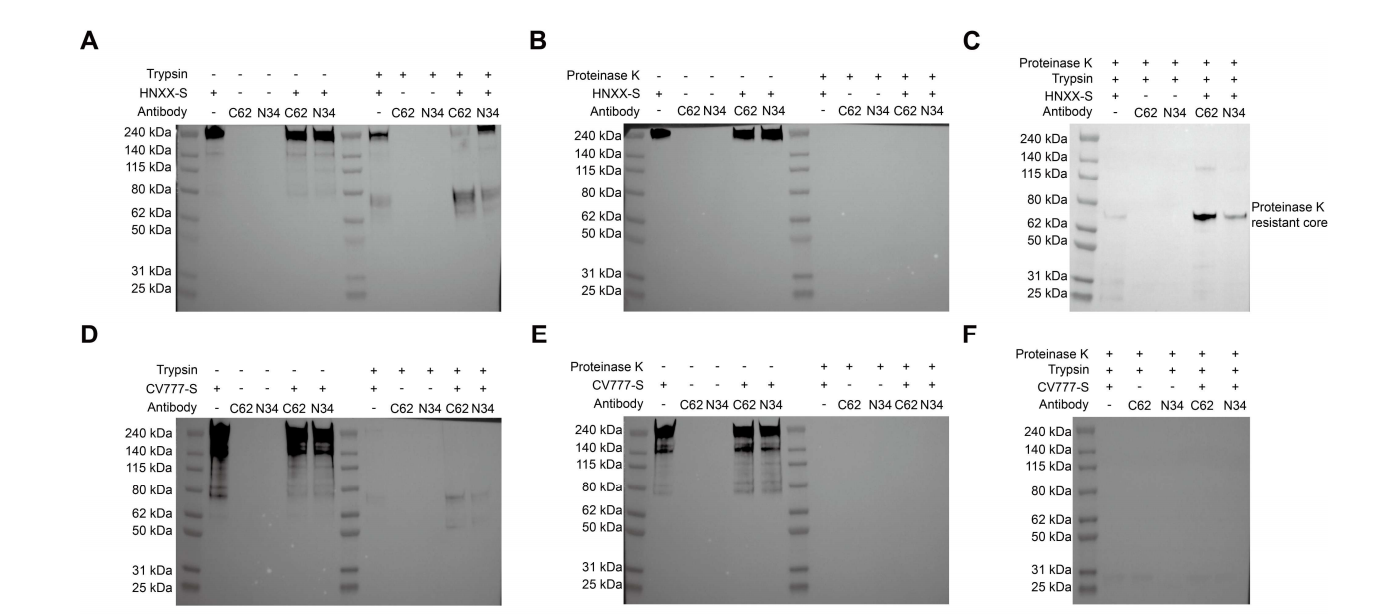
Key Findings: The study resolved PEDV S1B structures in complex with the neutralizing antibody C62 and the non-neutralizing antibody N34. C62 recognizes a conserved concealed epitope on S1B, triggering S-trimer dissociation and formation of the post-fusion S2 structure, while C62 and N34 can also mimic receptor activity to promote S protein-mediated cell fusion.
About AntibodySystem
AntibodySystem provides researchers worldwide with high-quality, highly specific antibodies for a broad range of life science applications. Our portfolio includes reagents targeting viral proteins, cytokines, signaling molecules, post-translational modifications, and many other research areas. Whether your research involves ELISA, Western blotting, immunofluorescence, flow cytometry, or intravital imaging, AntibodySystem products deliver the performance, consistency, and reliability required for reproducible research and scientific discovery.


