
Salmonella Outbreak Investigation in the U.S.: Understanding Salmonella Pathogenesis and Key Research Targets
The U.S. Centers for Disease Control and Prevention (CDC) is currently investigating a Salmonella infection outbreak. This investigation has once again highlighted the importance of foodborne pathogen surveillance, outbreak tracing, and research into bacterial infection mechanisms.
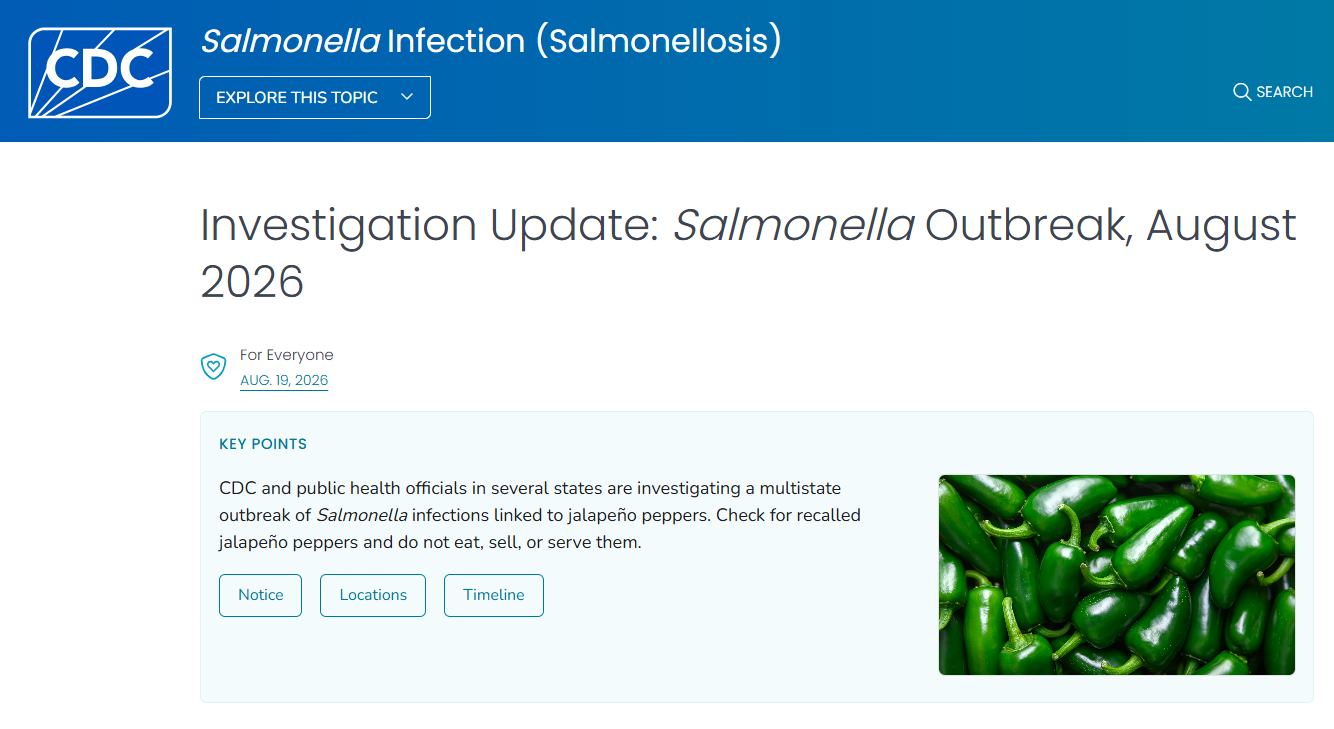
As one of the most significant foodborne pathogens worldwide, Salmonella remains a major focus in public health, microbiology, and infectious disease research. Understanding the molecular mechanisms underlying Salmonella survival, host interaction, and pathogenicity is essential for advancing pathogen detection strategies and developing new approaches for infection control.
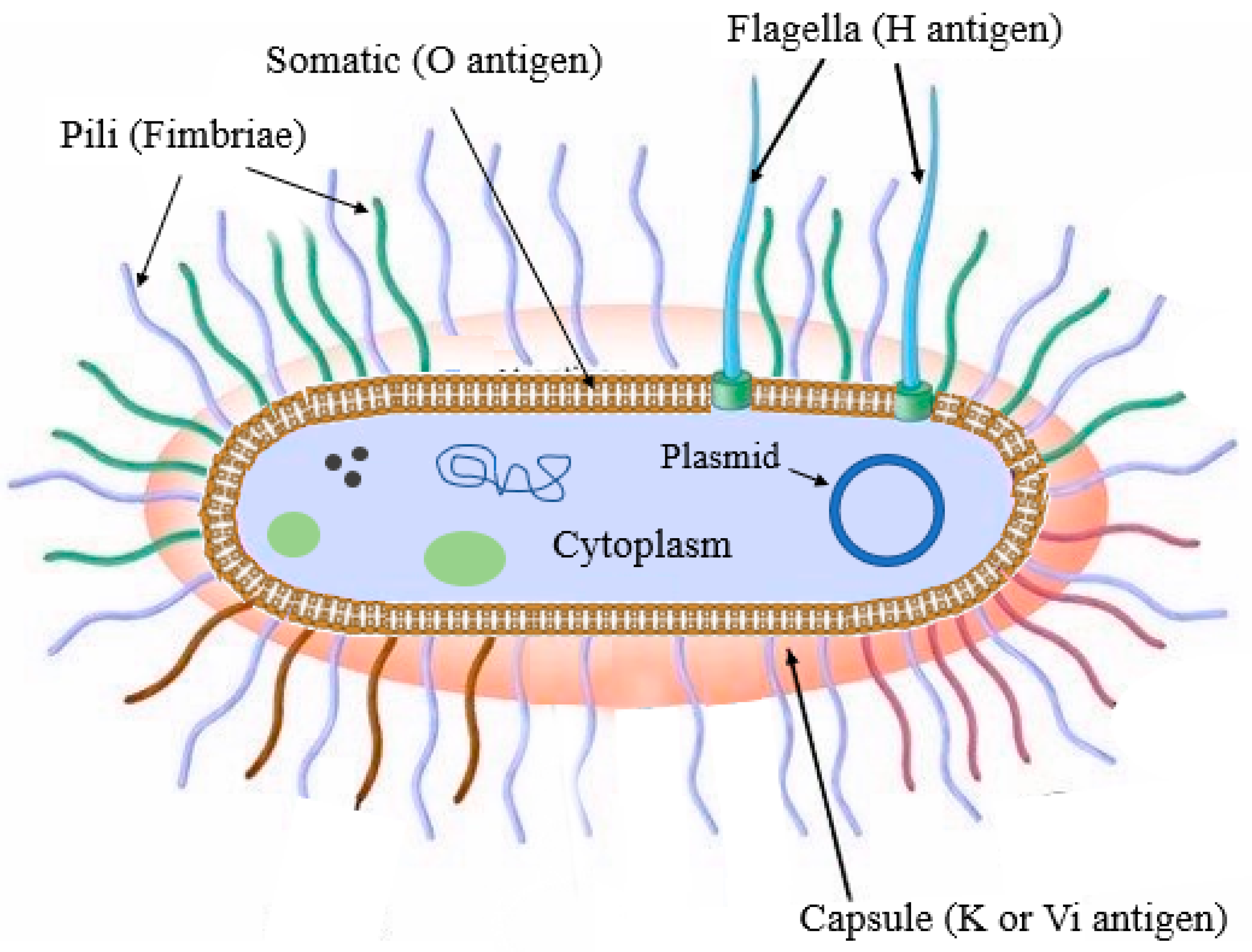
Salmonella: A Major Foodborne Pathogen
Salmonella is a genus of Gram-negative bacteria belonging to the family Enterobacteriaceae. It is widely distributed in animals, environmental reservoirs, and food products. Human infections are commonly associated with the consumption of contaminated food or water, including undercooked meat, poultry, eggs, dairy products, and improperly handled fresh produce.
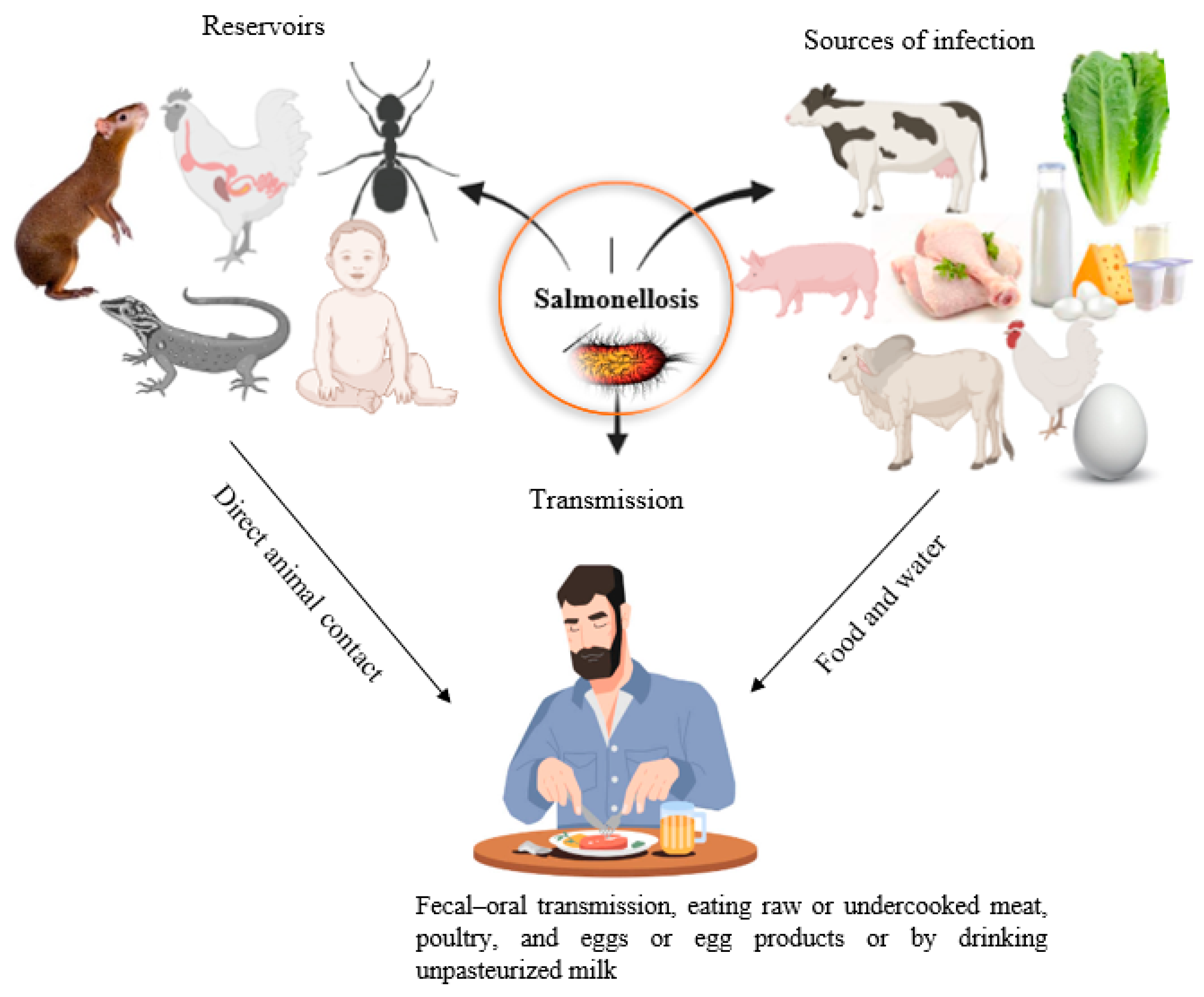
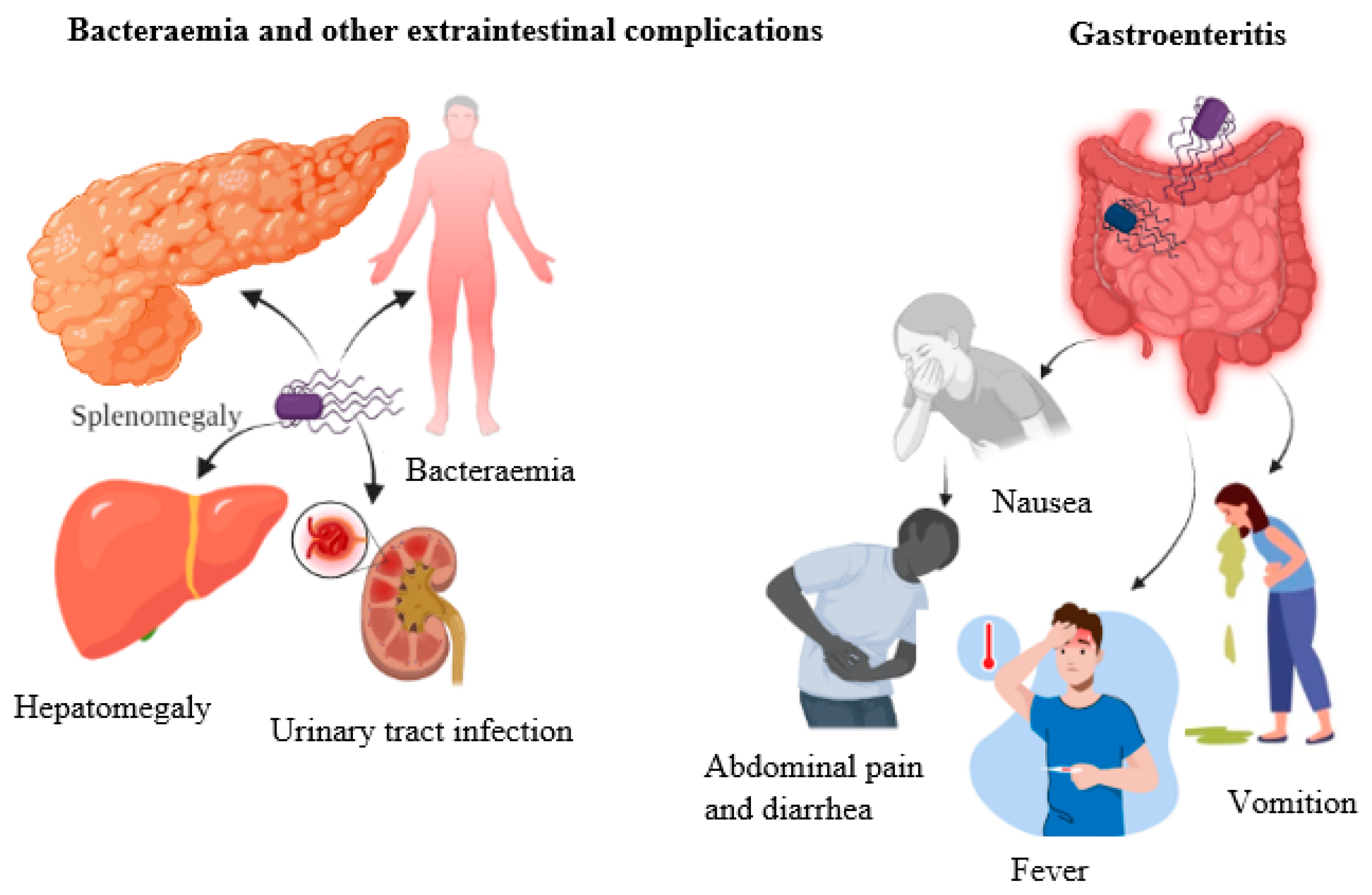
After entering the host, Salmonella can colonize the intestinal environment through a series of coordinated processes, including bacterial adhesion, motility, invasion, and interaction with host immune responses. Infection typically causes gastroenteritis characterized by diarrhea, abdominal pain, fever, nausea, and vomiting. In vulnerable populations, infections may progress to invasive disease, including bacteremia and systemic infection.
Salmonella Pathogenesis and Key Research Targets
The pathogenicity of Salmonella is driven by multiple bacterial factors that contribute to colonization, host interaction, and bacterial survival. Investigating these molecular components provides important insights into bacterial infection mechanisms.
Adhesion and Motility: Establishing Infection
During the early stages of infection, Salmonella relies on specialized surface structures to attach to host cells and establish colonization.
- LpfB (Long polar fimbriae protein B) is associated with long polar fimbriae and contributes to bacterial adhesion and host colonization. Adhesion-related proteins are critical for understanding how Salmonella interacts with host tissues during infection.
- FliC (Flagellin) is a major component of the bacterial flagellum and is essential for motility. In addition, Flagellin is recognized by the host innate immune system as a pathogen-associated molecular pattern (PAMP), making it an important target for studying host-pathogen interactions.
- FlhD functions as a regulatory factor involved in flagellar gene expression and influences bacterial motility and adaptation.
Surface Antigens: Mediating Bacterial Recognition and Immune Responses
- OmpC (Outer membrane protein C) is an important outer membrane porin involved in membrane stability and molecular transport. Due to its surface exposure and immunogenic properties, OmpC is widely studied in Salmonella antigen characterization and pathogen detection research.
- O-polysaccharide, a major component of lipopolysaccharide (LPS), contributes to serotype classification and bacterial recognition by the host immune system. Lipid A, the biologically active component of LPS, plays a key role in triggering inflammatory responses during Gram-negative bacterial infections.
Cell Wall Biosynthesis: Supporting Bacterial Growth and Survival
- MurD, MurE, and MurG are key enzymes involved in different stages of peptidoglycan synthesis and are important for bacterial growth and survival.
- Alr (Alanine racemase) contributes to peptidoglycan biosynthesis by regulating the conversion between L-alanine and D-alanine.
Because these proteins participate in bacteria-specific biological processes, they are valuable targets for studying bacterial physiology and antimicrobial research.
Phage-Associated Proteins: Exploring Bacteriophage–Bacteria Interactions
Bacteriophage-host interactions have become an important research area in microbiology. Phage-associated proteins, including Tail proteins and Tailspike proteins, contribute to host recognition, adsorption, and initiation of phage infection. Characterizing these proteins helps researchers better understand phage specificity and provides insights into potential applications of phage-based strategies for bacterial control.
Key Research Targets in Salmonella Studies
| Research Area | Key Targets |
|---|---|
| Surface antigens and immune recognition | OmpC, O-polysaccharide, LPS/Lipid A |
| Adhesion and motility | LpfB, FliC, FlhD |
| Cell wall biosynthesis and bacterial survival | MurD, MurE, MurG, Alr |
| Phage-bacteria interaction | Tail protein, Tailspike protein |
AntibodySystem Salmonella-Related Research Products
To support research on Salmonella infection mechanisms, pathogen recognition, and bacterial biology, AntibodySystem provides a collection of research antibodies and recombinant proteins targeting key Salmonella-associated molecules.
These products cover bacterial surface antigens, adhesion and motility-related proteins, cell wall biosynthesis proteins, and phage-associated proteins, supporting studies in pathogen characterization, protein function analysis, and host-pathogen interaction research.
| Catalog No. | Product Name |
|---|---|
| PVV27401 | Anti-Salmonella phage Tailspike protein Polyclonal Antibody |
| YXX26601 | Recombinant Salmonella pullorum LpfB Protein, C-His |
| PXX08301 | Anti-Salmonella typhimurium MurD Polyclonal Antibody |
| YXX27301 | Recombinant Salmonella pullorum FlhD Protein, C-His |
| YXX09101 | Recombinant Salmonella enterica porin OmpC Protein, C-His |
| YXX08301 | Recombinant Salmonella typhimurium MurD Protein, C-His |
| YXX15301 | Recombinant Salmonella schwarzengrund MurG Protein, C-His |
| YXX16201 | Recombinant Salmonella typhi Alr Protein, C-His |
| PXX27301 | Anti-Salmonella pullorum FlhD Polyclonal Antibody |
| RXX25401 | Anti-Salmonella typhimurium FliC/Flagellin Nanobody (SAb2588) |
| PXX09101 | Anti-Salmonella enterica porin OmpC Polyclonal Antibody |
| YVV27501 | Recombinant Salmonella phage LPST10 Tail protein Protein, N-His |
| RXX25801 | Anti-Salmonella serogroup B O-polysaccharide Antibody (SAb2284) |
| PXX17801 | Anti-Salmonella typhimurium MurE Polyclonal Antibody |
| RXX02138 | Anti-LPS/Lipid A Antibody (SAA0609) |
| PXX16201 | Anti-Salmonella typhimurium Alr Polyclonal Antibody |
| PXX26601 | Anti-Salmonella pullorum LpfB Polyclonal Antibody |
| YXX17801 | Recombinant Salmonella typhimurium MurE Protein, N-His |
| PVV27501 | Anti-Salmonella phage Tail protein Polyclonal Antibody |
| YVV27401 | Recombinant Salmonella phage D10 Tailspike protein Protein, N-His |
| RXX25402 | Anti-Salmonella typhimurium FliC/Flagellin Antibody (SAb2589) |
| PXX15301 | Anti-Salmonella schwarzengrund MurG Polyclonal Antibody |
Reference
- Human Salmonellosis: A Continuous Global Threat in the Farm-to-Fork Food Safety Continuum


