
Ebola Outbreak: Moderna Begins First Human Trial of Bundibugyo Vaccine
Related Research Tools from AntibodySystem
| Item | Details |
|---|---|
| Event | Moderna initiated a first‑in‑human Phase 1 trial of its Bundibugyo Ebola mRNA vaccine (mRNA‑1469) on August 4, 2026. The study was approved by Health Canada and will enroll approximately 80 healthy volunteers. |
| Background | No vaccine or treatment has been previously approved for the Bundibugyo strain. The current outbreak in the Democratic Republic of the Congo has reported 3,802 cases and 1,707 deaths, with a case fatality rate of ~44%, making it the second‑largest Ebola outbreak on record. |
| Significance | This is the first clinical‑stage candidate specifically targeting the Bundibugyo strain, supported by up to USD 50 million from CEPI. |
| Product Relevance | dsRNA impurity detection (using anti‑dsRNA antibodies) and Ebola virus protein research tools are essential for quality control and R&D in this field. |
1. Outbreak Background — The Urgent Threat of the Bundibugyo Strain
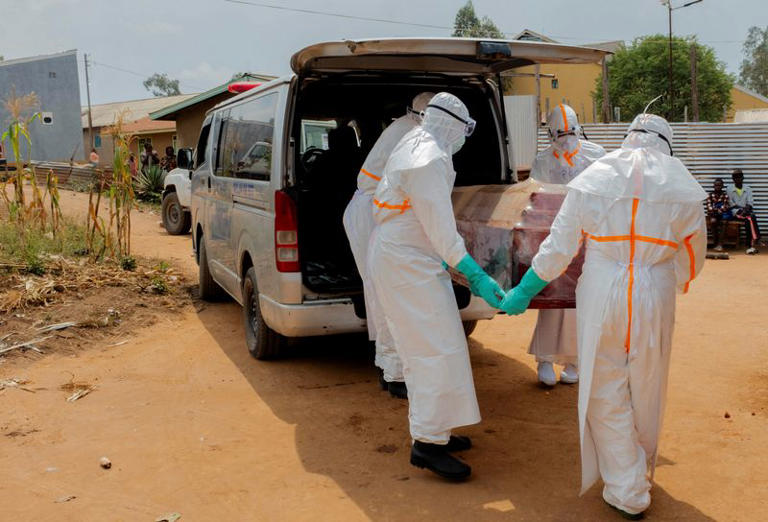
On May 15, 2026, the Democratic Republic of the Congo declared an Ebola outbreak caused by the Bundibugyo strain. By early August, the outbreak had spread to 5 provinces and 49 health zones, with a cumulative total of 3,748 confirmed and suspected cases and 1,657 deaths, corresponding to a case fatality rate of approximately 44%. This outbreak now ranks as the second largest in Ebola history, with cases escalating even faster than during the 2014–2016 West African epidemic. Over 46 healthcare workers have died, and both WHO and Africa CDC have declared the outbreak a public health emergency.
The Bundibugyo virus strain was first identified in Uganda in 2007. Although its case fatality rate is lower than that of the Zaire strain (~80%), the 44% rate remains extremely high. Critically, no vaccine or specific treatment has ever been approved for this strain. The only licensed Ebola vaccine (Merck's Ervebo) is effective only against the Zaire strain and offers no protection against Bundibugyo, making outbreak control particularly challenging.
2. mRNA‑1469 — The First Bundibugyo‑Targeting Vaccine to Enter Clinical Trials
Against this urgent backdrop, Moderna's Phase 1 trial of mRNA‑1469 marks the first clinical‑stage candidate in the world specifically designed for the Bundibugyo strain.
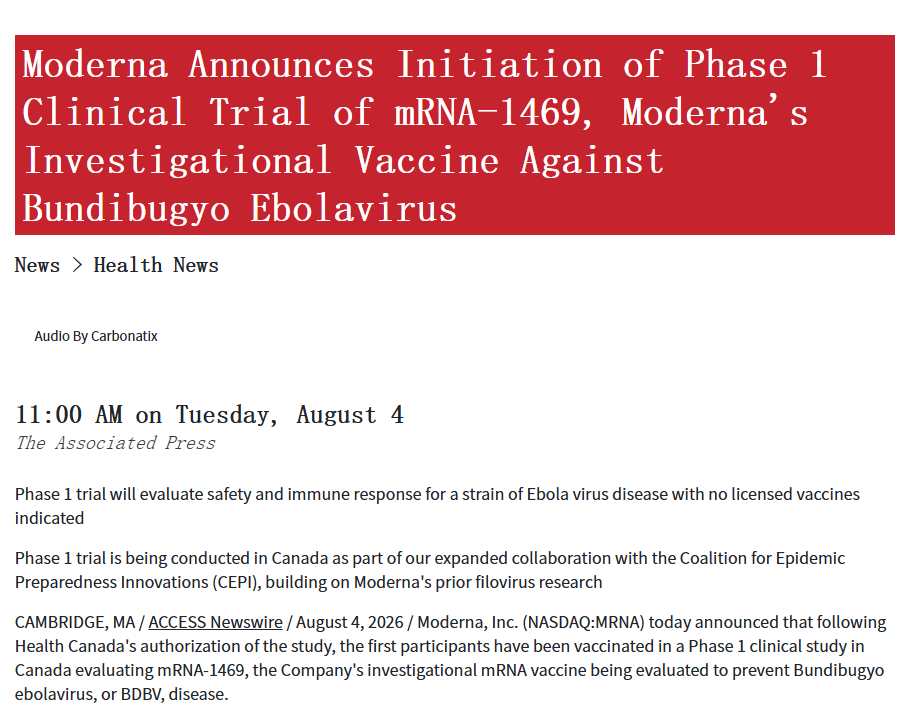
The vaccine leverages Moderna's well‑established mRNA platform, using the same technology as its COVID‑19 vaccines. The development program is part of an expanded partnership with the Coalition for Epidemic Preparedness Innovations (CEPI), which has committed up to USD 50 million to support preclinical studies and the Phase 1 trial. Moderna has also pledged to provide at least 500,000 doses at an affordable price to low‑ and middle‑income countries, should the vaccine receive regulatory approval.
The Phase 1 trial is being conducted at three sites in Canada — Toronto, Halifax, and Truro. Its primary objectives are to evaluate safety, tolerability, and immunogenicity, determine appropriate dose ranges, and monitor adverse events. Canada is the second country to authorise this trial (after the United Kingdom). Preliminary safety and immunogenicity data are expected in the coming months.
CEPI CEO Dr. Richard Hatchett commented that the rapid advancement of mRNA‑1469 into Phase 1 represents "a major step forward in fighting this deadly outbreak."
3. dsRNA Detection in mRNA Vaccine Quality Control
In the development and manufacturing of mRNA vaccines, detection of dsRNA (double‑stranded RNA) impurities is a critical quality control step.
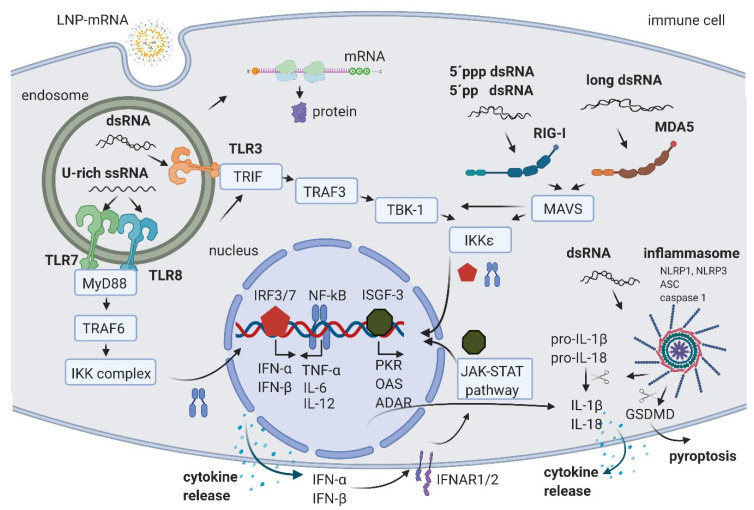
During in vitro transcription (IVT), the RNA‑dependent RNA polymerase reaction inevitably generates dsRNA by‑products. As pathogen‑associated molecular patterns (PAMPs), dsRNA molecules are recognised by intracellular innate immune receptors such as TLR3, RIG‑I, and MDA5, triggering robust type I interferon and inflammatory responses. This can compromise vaccine safety and reduce the efficiency of antigen expression. Therefore, monitoring residual dsRNA is a key release‑testing parameter to ensure both safety and efficacy of mRNA vaccines.
Anti‑dsRNA antibodies are among the most commonly used tools for this purpose. The J2 clone is the most widely cited and well‑established antibody in the field, suitable for ELISA, Dot Blot, immunofluorescence (IF), and other platforms; it recognises dsRNA longer than 30 bp. The K1 clone serves as an effective alternative to J2, offering lower non‑specific background in some applications. The 9D5 clone also provides reliable dsRNA detection.
4. AntibodySystem Related Research Tools
AntibodySystem has an efficient eukaryotic recombinant expression system and provides high‑quality recombinant proteins and antibodies for applications in vaccine development, virus detection, and basic research.
For a complete product portfolio or technical specifications, please contact our technical support team.
The following products are available for dsRNA impurity detection in mRNA vaccines and for Ebola virus research:
Anti‑dsRNA Antibodies & ELISA Kits
| Catalog No. | Product Name |
|---|---|
| RGK24901 | Anti‑dsRNA Antibody (1D3) |
| RGK24902 | Anti‑dsRNA Antibody (10G1) |
| RGK24903 | Anti‑dsRNA Antibody (9D5) |
| RGK24904 | Anti‑dsRNA Antibody (6G9) |
| RGK24905 | Anti‑dsRNA Antibody (10B2) |
| RGK24910 | Anti‑dsRNA Antibody (SAb2564) |
| RGK24906 | Anti‑dsRNA Antibody (J2) |
| RGK24907 | Anti‑dsRNA Antibody (K1) |
| RGK24908 | Anti‑dsRNA Antibody (K2) |
| KGK24901 | dsRNA ELISA Kit |
Ebola Virus Antigens & Antibodies
| Catalog No. | Product Name |
|---|---|
| EVV03601 | Recombinant ZEBOV GP/GP1,2 Protein, C-His |
| EVV03602 | Recombinant ZEBOV GP1 Protein, C-His |
| EVV03603 | Recombinant ZEBOV GP1 Protein, C-Fc |
| EVV03604 | Recombinant REBOV GP1 Protein, C-His |
| EVV03605 | Recombinant REBOV GP1 Protein, C-Fc |
| EVV03606 | Recombinant SEBOV GP1 Protein, C-His |
| EVV03607 | Recombinant SEBOV GP1 Protein, C-Fc |
| EVV03608 | Recombinant TAFV GP1 Protein, C-His |
| EVV03609 | Recombinant TAFV GP1 Protein, C-Fc |
| YVV03601 | Recombinant ZEBOV GP1 Protein, N-His |
| YVV03602 | Recombinant REBOV GP1 Protein, N-His |
| YVV03603 | Recombinant SEBOV GP1 Protein, N-His |
| YVV03604 | Recombinant TAFV GP1 Protein, N-His |
| YVV03605 | Recombinant ZEBOV GP2 Protein, C-His |
| VVV23301 | InVivoMAb Anti-REBOV/SEBOV/TAFV/ZEBOV NP/Nucleoprotein Antibody (MJ20) |
| VVV03606 | Anti-EBOV GP Broadly Neutralizing Antibody (ADI-15946, RUO) |
| VVV03605 | InVivoMAb Anti-SEBOV/ZEBOV GP/Envelope glycoprotein Antibody (Iv0198) |
| VVV03604 | InVivoMAb Anti-ZEBOV GP/Envelope glycoprotein Antibody (6D8) |
| RVV28601 | Anti-ZEBOV VP40/Matrix protein VP40 Antibody (DSTL094) |
| RVV28501 | Anti-ZEBOV VP35/Polymerase cofactor VP35 Antibody (F9) |
| RVV24306 | Anti-pan-Filovirus GP/Envelope glycoprotein Antibody (m21D10) |
| RVV23303 | Anti-REBOV/SEBOV/TAFV/ZEBOV NP/Nucleoprotein Antibody (m1Y39) |
| RVV23302 | Anti-ZEBOV NP/Nucleoprotein Antibody (KZ51) |
| RVV23301 | Anti-Sudan ebolavirus/SEBOV NP/Nucleoprotein Antibody (SAA1402) |
| RVV03605 | Anti-ZEBOV GP/Envelope glycoprotein Antibody (KZ52) |
| RVV03604 | Anti-ZEBOV GP/Envelope glycoprotein Antibody (GPE118) |
| RVV03603 | Anti-SEBOV GP/Envelope glycoprotein Antibody (16F6) |
| RVV03602 | Anti-ZEBOV GP/Envelope glycoprotein Antibody (mAb100) |
| RVV03601 | Anti-Zaire ebolavirus/ZEBOV GP/GP1,2 Nanobody (SAA1248) |
| PVV03604 | Anti-TAFV GP1 Polyclonal Antibody |
| PVV03603 | Anti-SEBOV GP1 Polyclonal Antibody |
| PVV03602 | Anti-REBOV GP1 Polyclonal Antibody |
| PVV03601 | Anti-ZEBOV GP1 Polyclonal Antibody |
| DVV03610 | Research Grade Anti-REBOV/SEBOV/TAFV/ZEBOV GP/Envelope glycoprotein Antibody (ADI-15878) |
| DVV03609 | Research Grade Anti-ZEBOV GP/Glycoprotein (Zmapp) |
| DVV03608 | Research Grade Anti-ZEBOV GP/Glycoprotein (ANP-015) |


