
AAIC 2026: Donanemab, Lecanemab, and Tau-Targeted Therapies Drive Alzheimer's Disease Research Toward a Multi-Target Era
The 2026 Alzheimer's Association International Conference (AAIC 2026) was held in London, UK, bringing together the latest advances in Alzheimer's disease (AD) research and drug development. As one of the most influential global conferences in the field, AAIC 2026 highlighted major progress in anti-Aβ therapies, Tau-targeted approaches, blood-based biomarkers, and brain delivery technologies.
The latest developments presented at the conference indicate that Alzheimer's disease treatment is gradually moving beyond the traditional Aβ-centered strategy toward a new era of multi-target intervention combining Aβ and Tau pathways.

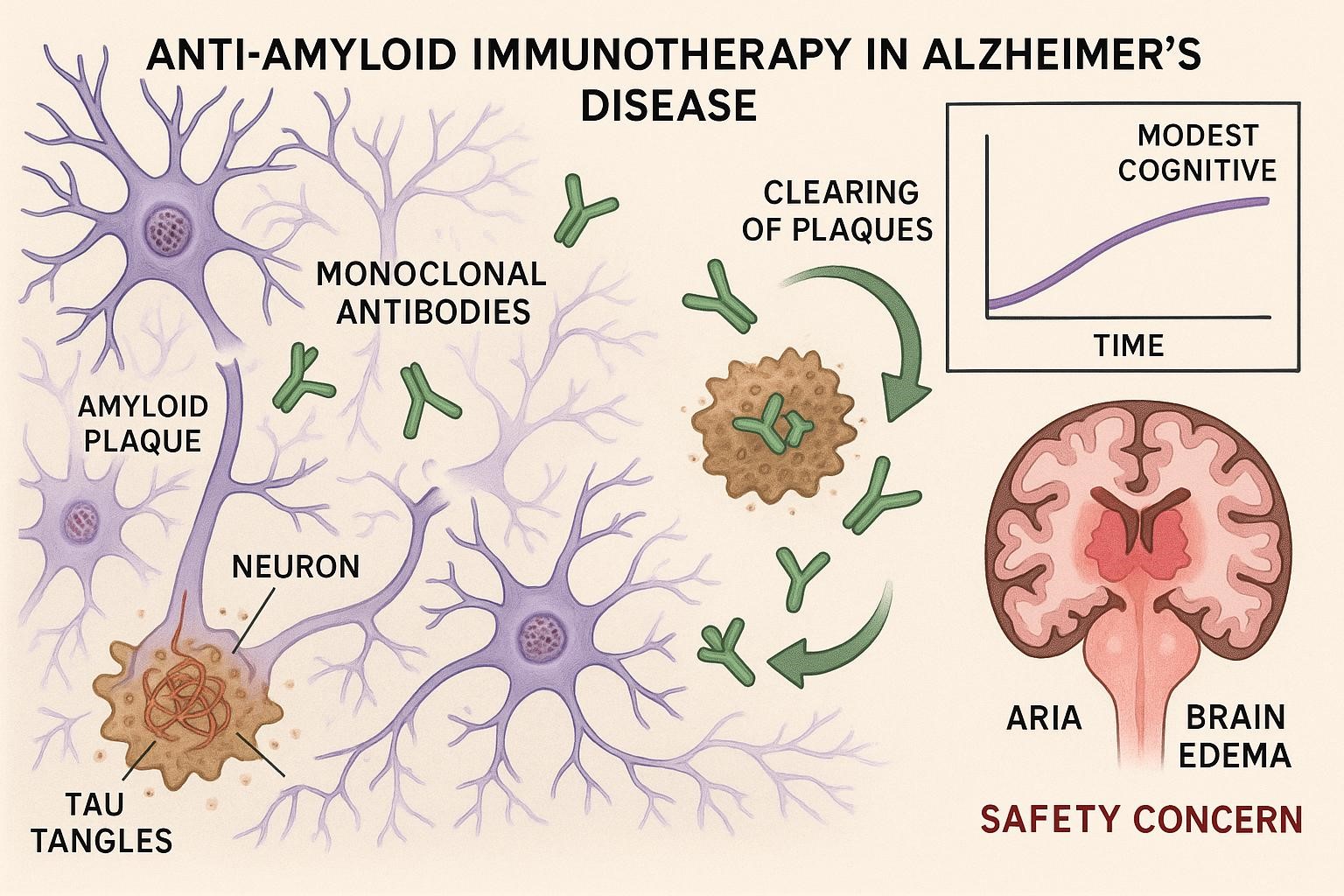
Donanemab: Long-Term Data Further Support Anti-Aβ Therapy
As one of the leading anti-Aβ monoclonal antibody therapies, Eli Lilly presented updated long-term clinical data for Donanemab at AAIC 2026.
The TRAILBLAZER-ALZ 2 study demonstrated that Donanemab can effectively reduce amyloid plaque burden in the brain and slow clinical disease progression. At the 76-week evaluation, a large proportion of treated patients achieved substantial amyloid clearance, while long-term extension studies further indicated sustained clinical benefits over time.
In addition, Lilly presented data from an optimized titration dosing strategy, showing that treatment efficacy could be maintained while reducing the risk of amyloid-related imaging abnormalities (ARIA-E), providing improved safety considerations for long-term treatment.
These findings further reinforce the important role of anti-Aβ therapies as disease-modifying approaches for Alzheimer's disease.
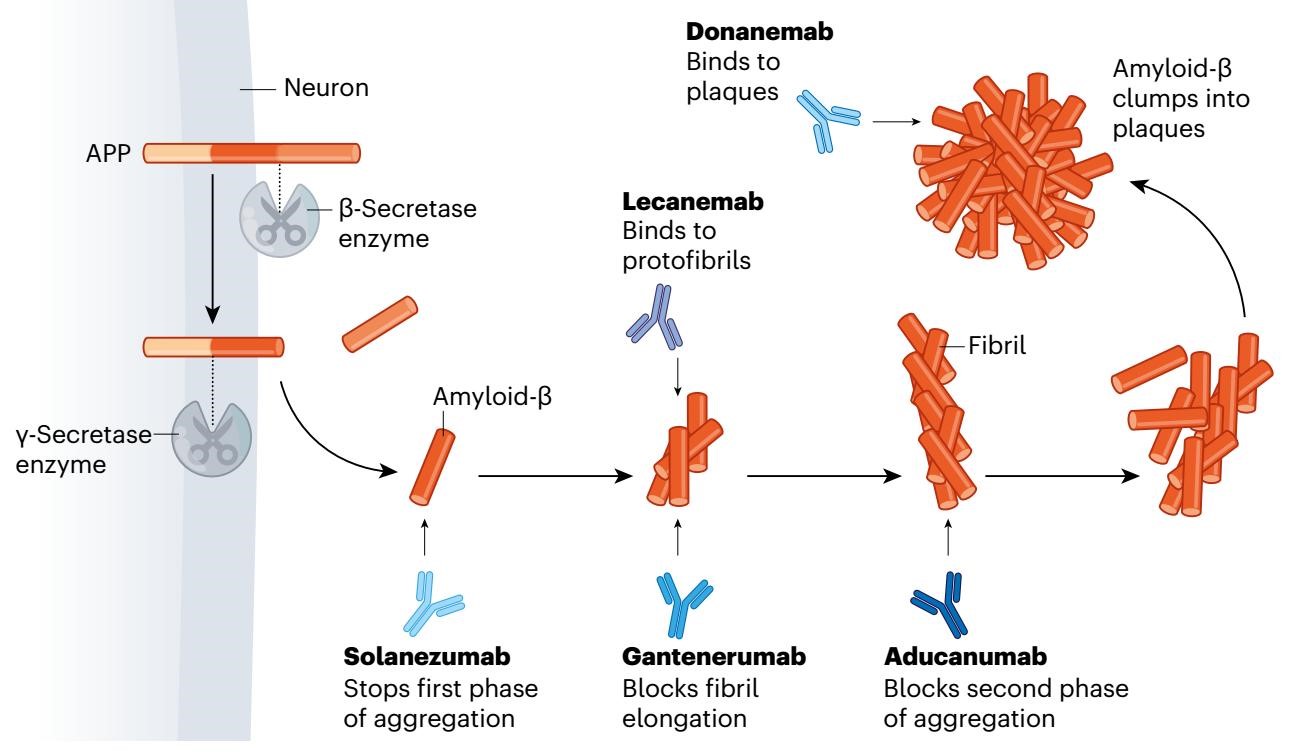

Lecanemab: Advancing Alzheimer's Treatment Toward Subcutaneous Administration
Another major highlight of AAIC 2026 came from Lecanemab, jointly developed by Eisai and Biogen.
New findings on the subcutaneous autoinjector (SC-AI) formulation demonstrated that weekly fixed-dose subcutaneous administration achieved comparable drug exposure to intravenous infusion, while maintaining consistent pharmacokinetic profiles and comparable effects on amyloid clearance-related outcomes.
The Lecanemab subcutaneous autoinjector has received FDA approval for the treatment of early Alzheimer's disease. This new administration approach may reduce the burden associated with frequent intravenous infusions, improve treatment convenience, and support more flexible long-term disease management.
Tau-Targeted Therapy Emerges as a Key Breakthrough
While Donanemab and Lecanemab represent the continued maturation of anti-Aβ therapies, Tau-targeted approaches have become one of the most promising research directions highlighted at AAIC 2026.
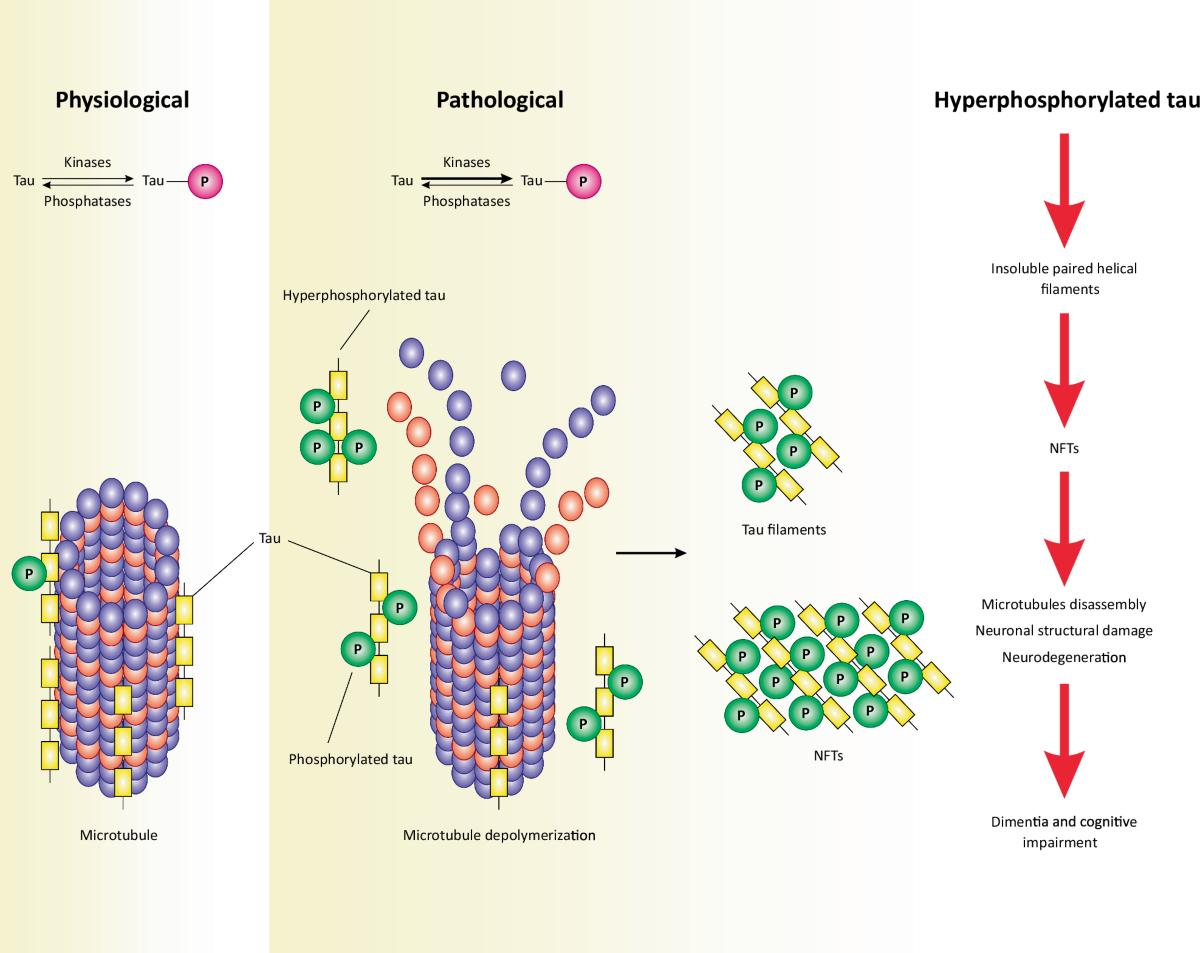
Increasing evidence suggests that amyloid-β accumulation may contribute to the early stages of Alzheimer's disease pathology, whereas abnormal Tau phosphorylation, aggregation, and propagation are closely associated with neuronal damage, neurodegeneration, and cognitive decline. Therefore, Tau has emerged as one of the most promising disease-modifying targets following Aβ.
At AAIC 2026, Biogen presented clinical updates for BIIB080 (IONIS-MAPTRx), a Tau-targeted antisense oligonucleotide (ASO) therapy.
BIIB080 targets MAPT mRNA to reduce Tau protein expression, thereby limiting the accumulation of pathological Tau. Clinical studies showed that BIIB080 reduced Tau-related biomarkers and demonstrated encouraging signals regarding potential effects on disease progression. Although the study did not meet its predefined primary endpoint, the findings further support the potential of Tau as an independent therapeutic target.
In addition, Eisai presented research progress on Etalanetug, a Tau-targeting monoclonal antibody. By targeting the microtubule-binding region (MTBR) of Tau, the antibody aims to interfere with abnormal Tau aggregation processes and provide a potential strategy for slowing Tau-related pathology. These advances further support the development of future combination approaches targeting both Aβ and Tau.

Alzheimer's Disease Treatment Enters a Multi-Target Era
Overall, AAIC 2026 highlighted a major shift in Alzheimer's disease drug development.
On one hand, Donanemab and Lecanemab continue to advance anti-Aβ therapies through improvements in efficacy, safety, and dosing strategies. On the other hand, emerging Tau-targeted therapies, including BIIB080 and Tau antibodies, are expanding the therapeutic landscape and making Aβ + Tau combination strategies an important future direction.
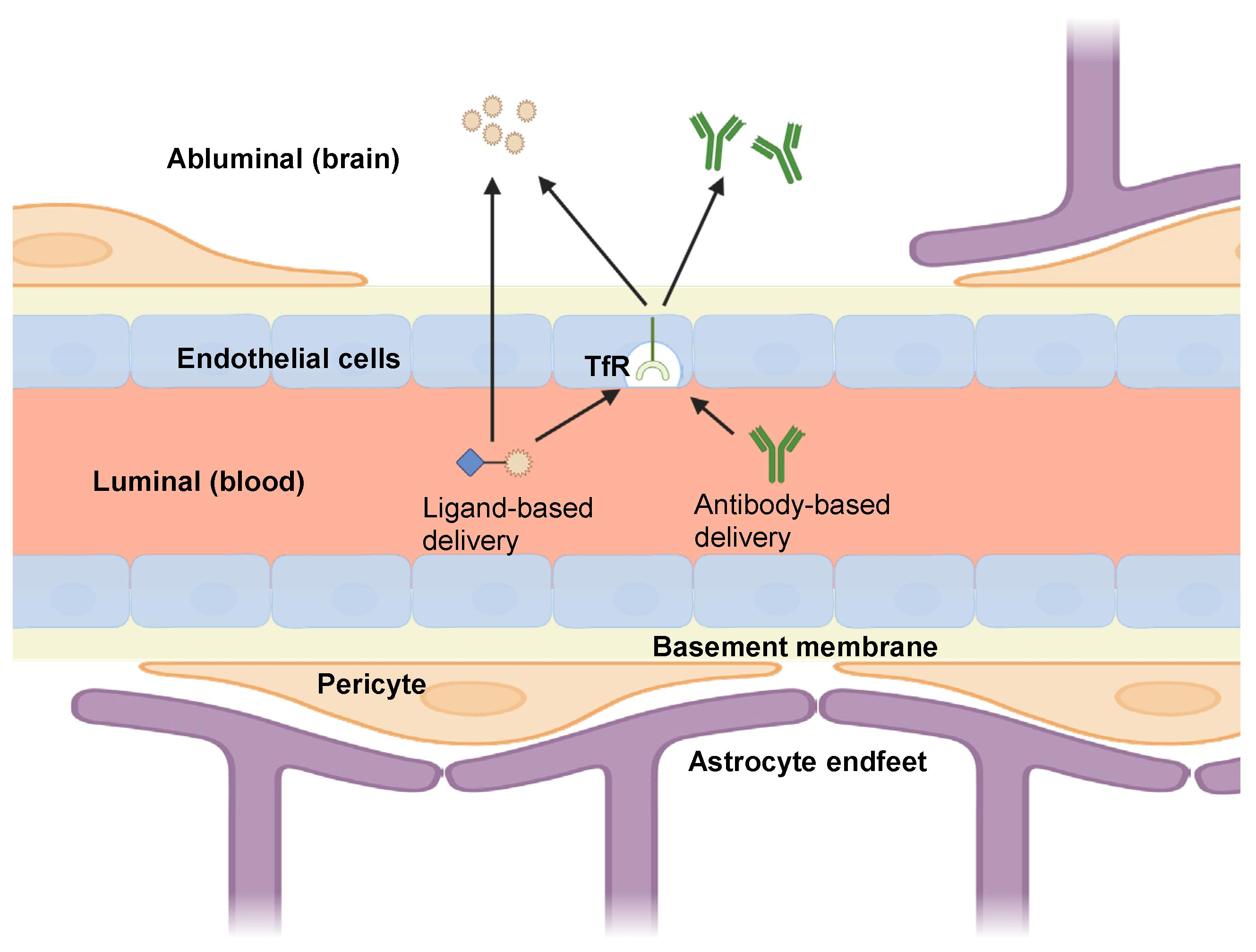
Meanwhile, advances in blood-based biomarkers and brain delivery technologies such as Brain Shuttle approaches are expected to further improve early diagnosis, patient stratification, and innovative drug development.
Although a definitive cure for Alzheimer's disease remains a long-term goal, continued breakthroughs across multiple therapeutic strategies are bringing the field closer to a new generation of precision treatment approaches.

AntibodySystem Supports Tau and Alzheimer's Disease Research
As Tau research continues to expand, high-quality research reagents play an increasingly important role in disease mechanism studies, biomarker development, and therapeutic discovery.
AntibodySystem provides research tools supporting Tau and neurodegenerative disease studies, enabling applications including, ELISA, IF, and IHC. These solutions support fundamental Alzheimer's disease research and innovative drug development by providing reliable tools for investigating disease mechanisms and therapeutic targets.
| Catalog No. | Product Name |
|---|---|
| RHC82449 | Anti-Human Phospho-Tau Antibody (CBTAU-7.1) |
| RHC82450 | Anti-Human total MAPT/Tau Antibody (PT4) |
| RHC82451 | Anti-Human total MAPT/Tau Antibody (htau10) |
| DHC12502 | Research Grade Donanemab |
| DHC12527 | Research Grade Donanemab (mIgG) |
| RAC12501 | Anti-Lecanemab Neutralizing Antibody (SAb2533) |


