
What Is the GGGGS (G4S) Linker and When Should You Use It?
A Practical Guide to Flexible Linkers in Fusion Protein Engineering
Fusion proteins are widely used in molecular biology, protein engineering, antibody discovery, and cell therapy research. Whether you're fusing a target protein to GFP, connecting antibody variable domains to construct an scFv, or assembling multidomain proteins such as CARs or bispecific antibodies, linker design can have a significant impact on protein expression, folding, and biological function.
Among the many peptide linkers available, the GGGGS linker, also known as the G4S linker, is the most widely adopted flexible linker for recombinant fusion proteins because it provides flexibility while minimizing interference between adjacent protein domains.
What Is the GGGGS Linker?
The GGGGS linker is a short peptide composed of five amino acids:
Rather than using a single five-amino-acid sequence, researchers typically incorporate tandem repeats, written as (GGGGS)n, where n usually ranges from 1 to 6.
Among these designs, (GGGGS)₃ (15 amino acids) is one of the most frequently reported linker lengths in the literature and serves as a common starting point for many fusion protein applications.
Functionally, the GGGGS linker acts as a flexible spacer, allowing neighboring protein domains to fold and move independently while remaining covalently connected.
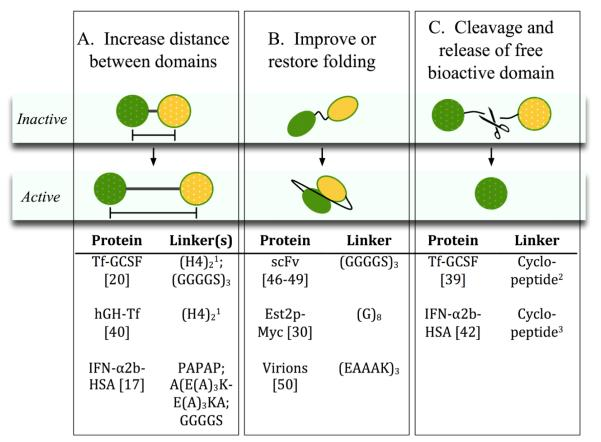
[ Figure 1 ] Improving bioactivity of fusion proteins using linkers (PMCID: PMC3726540)
Why Does the GGGGS Linker Work So Well?
The properties of the GGGGS linker arise from the complementary characteristics of glycine and serine.
Glycine is the smallest naturally occurring amino acid and introduces minimal steric hindrance, giving the linker exceptional conformational flexibility. Multiple glycine residues help prevent the formation of rigid secondary structures and allow adjacent protein domains to adopt their preferred conformations.
Serine contains a hydrophilic hydroxyl group that improves linker solubility and can help reduce protein aggregation. Incorporating serine into the linker also contributes to maintaining favorable biochemical properties during protein expression.
Together, these features enable the GGGGS linker to separate functional domains without significantly disrupting their native folding or biological activity.
Common Applications of the GGGGS Linker
Fluorescent Protein Fusions
When GFP, mCherry, YFP, or other fluorescent proteins are fused to a target protein, the GGGGS linker provides sufficient spacing to reduce steric interference. This often helps preserve protein localization, folding, and biological function while maintaining fluorescent signal.
Single-Chain Variable Fragments (scFvs)
The (GGGGS)₃ linker is widely used to connect the VH and VL domains of scFvs. Its flexibility facilitates correct domain pairing and supports formation of a functional antigen-binding site.
Multidomain Fusion Proteins
Flexible GGGGS linkers are frequently incorporated into bispecific antibodies, chimeric antigen receptors (CARs), fusion enzymes, cytokine fusion proteins, and other multidomain recombinant proteins, allowing each domain to fold and function with greater independence.
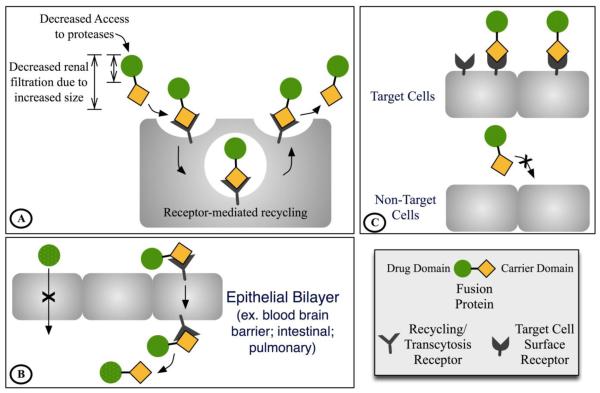
[ Figure 2 ] Applications of bifunctional fusion proteins in drug delivery (PMCID: PMC3726540)
How Do You Choose the Right Linker Length?
Selecting an appropriate linker length depends on the size, structure, and function of the proteins being fused.
| Application | Typical Recommendation |
|---|---|
| Small peptide tags (His-tag, FLAG-tag) | An additional GGGGS linker is generally unnecessary. |
| Fluorescent proteins or other large protein tags | (GGGGS)₃–₄ is commonly used. |
| Bispecific antibodies, CARs, and multidomain proteins | Typically 3–6 repeats, with optimization based on experimental performance. |
Longer linkers provide greater flexibility but may also increase conformational freedom. In some proteins, excessively long flexible linkers can become more susceptible to proteolytic cleavage or negatively affect structural stability. Consequently, increasing linker length does not necessarily improve protein performance.
Practical Design Considerations
Maintain the Correct Reading Frame
When introducing a linker into an expression construct, maintaining the correct reading frame is essential. Even a single nucleotide insertion or deletion can generate a frameshift mutation and completely alter the downstream protein sequence.
It is also important to recognize that the DNA sequence encoding a GGGGS linker is not unique. Because of codon degeneracy, multiple nucleotide sequences encode the same amino acid sequence. Codon optimization should therefore be performed according to the intended expression host rather than relying on a single predefined DNA sequence.
Consider Fusion Orientation
The position of the fusion partner can be just as important as the linker itself.
For many proteins, Protein A–Linker–GFP and GFP–Linker–Protein A produce different levels of expression, subcellular localization, or biological activity. When no prior data are available, evaluating both N-terminal and C-terminal fusion strategies is often worthwhile.
Remember That GGGGS Is Not the Only Option
Although the GGGGS linker is the most commonly used flexible linker, it is not universally optimal.
When maintaining a defined distance or orientation between protein domains is more important than maximizing flexibility, rigid linkers, such as (EAAAK)n, may provide superior performance.
The optimal linker ultimately depends on the structural and functional requirements of the specific fusion protein.
Frequently Asked Questions
Should every fusion protein include a GGGGS linker?
No. Small peptide tags such as His-tags or FLAG-tags generally do not require an additional flexible linker. Flexible linkers become more important when connecting larger protein domains that could interfere with each other's folding or function.
What linker length should I use for my first construct?
If no published design is available, (GGGGS)₃ is a practical starting point because it has been successfully applied across a wide range of fusion protein formats.
Is a longer linker always better?
No. While longer linkers provide greater flexibility, they may also introduce excessive conformational freedom or reduce protein stability. The optimal linker length should be determined experimentally for each application.
Key Takeaways
The GGGGS (G4S) linker has become the standard flexible linker for fusion protein engineering because it combines structural flexibility with good solubility and broad compatibility across recombinant protein applications.
However, successful fusion protein design involves more than simply selecting a linker. Linker length, fusion orientation, domain architecture, and expression system can all influence protein folding and biological activity. In practice, empirical optimization remains the most reliable approach for identifying the best construct for a given application.
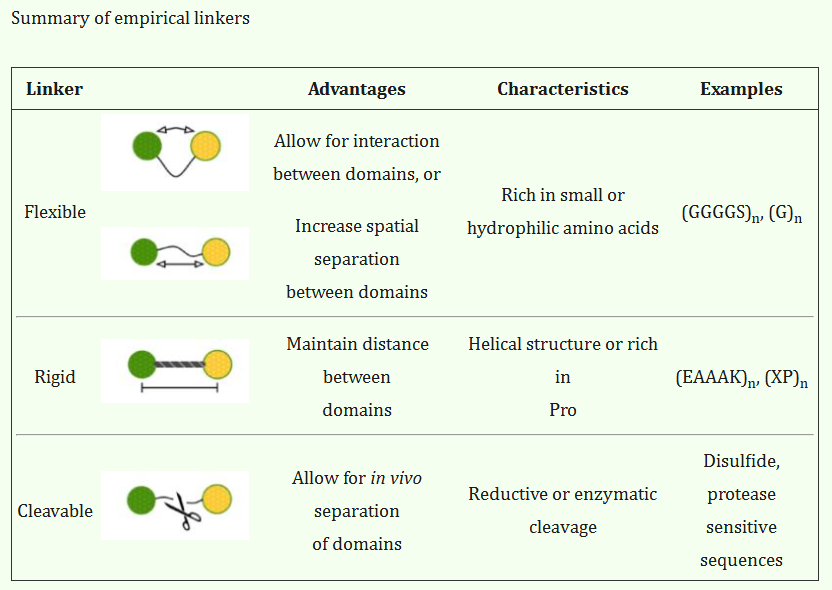
[ Figure 3 ] Designing effective fusion proteins
Designing an effective fusion protein is only the first step. Reliable detection and characterization of the expressed construct are equally important throughout recombinant protein research.
AntibodySystem provides anti-GGGGS (G4S) linker antibodies for the specific detection of recombinant proteins containing the GGGGS linker. These antibodies support expression verification, protein characterization, and downstream immunoassays, helping streamline fusion protein research from construct design to experimental validation.
| Catalog No. | Product Name |
|---|---|
| RGP16001 | Anti-GGGGS Linker Antibody (R4E06) |
| RGP16002 | Anti-GGGGS Linker Antibody (R4E06), HRP |


