
Beyond GLP-1: How Retatrutide Is Driving the Next Wave of Metabolic Disease Research
The 86th Scientific Sessions of the American Diabetes Association (ADA 2026) once again highlighted the rapid evolution of obesity and diabetes therapeutics. While GLP-1 receptor agonists continue to dominate clinical practice, growing attention has shifted toward the next generation of incretin-based therapies designed to target multiple metabolic pathways simultaneously.


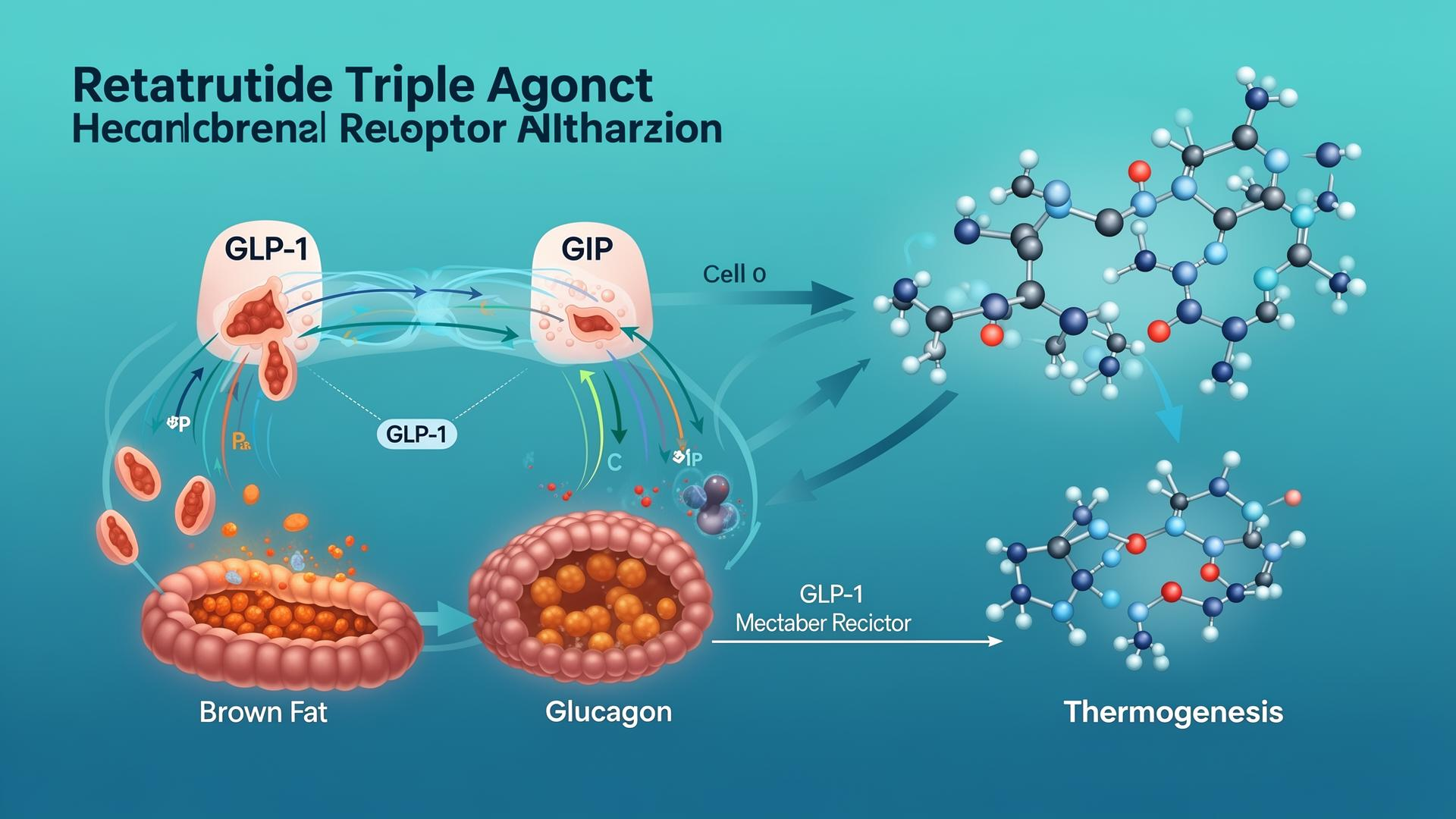
Among the most closely watched investigational therapies is Retatrutide, Eli Lilly's triple hormone receptor agonist. By simultaneously activating the glucagon-like peptide-1 receptor (GLP-1R), glucose-dependent insulinotropic polypeptide receptor (GIPR), and glucagon receptor (GCGR), Retatrutide represents a significant step beyond current GLP-1 and dual agonist therapies. Its continued clinical progress has positioned triple agonism as one of the most exciting directions in metabolic disease research.
As new therapeutic strategies emerge, they are also creating new opportunities---and new challenges---for basic research, target validation, and drug discovery.

From Single Agonists to Triple Agonists The Evolution of Obesity Therapeutics
The development of obesity therapeutics has advanced remarkably over the past decade.
First-generation incretin therapies focused primarily on activating GLP-1R. Drugs such as semaglutide demonstrated that enhancing GLP-1 signaling could effectively suppress appetite, delay gastric emptying, improve glucose-dependent insulin secretion, and promote clinically meaningful weight loss.
The next major breakthrough came with dual agonists. Tirzepatide introduced combined activation of GLP-1R and GIPR, further improving glycemic control and producing greater weight reduction than GLP-1 receptor agonists alone.

Retatrutide expands this concept even further by introducing a third target---GCGR---creating a triple agonist designed to regulate energy balance through complementary physiological mechanisms.
| Therapeutic Generation | Representative Drug | Target Receptors | Primary Strategy |
|---|---|---|---|
| First Generation | Semaglutide | GLP-1R | Appetite suppression and improved glycemic control |
| Second Generation | Tirzepatide | GLP-1R + GIPR | Enhanced metabolic regulation and insulin sensitivity |
| Third Generation | Retatrutide | GLP-1R + GIPR + GCGR | Multi-pathway regulation of appetite, metabolism, and energy expenditure |
Rather than relying on a single signaling pathway, triple agonists aim to coordinate multiple hormonal systems involved in metabolic homeostasis. This integrated approach has become an important focus of obesity drug development and reflects a broader trend toward multi-target therapeutic design.
Why Add Glucagon ?
One of the most frequently asked questions surrounding Retatrutide is why a glucagon receptor agonist would be incorporated into a weight-loss therapy.
Traditionally, glucagon has been recognized for its role in increasing blood glucose by stimulating hepatic glycogenolysis and gluconeogenesis. For many years, this effect made glucagon an unlikely candidate for treating metabolic disorders.
However, accumulating evidence has revealed another side of glucagon biology.
Activation of GCGR has been shown to increase energy expenditure, stimulate lipid oxidation, and elevate basal metabolic rate. While glucagon alone may increase blood glucose, combining GCGR activation with GLP-1R and GIPR signaling appears to balance these metabolic effects. GLP-1 and GIP help maintain glycemic control, while glucagon contributes to increased caloric expenditure, creating a complementary therapeutic strategy.
The three receptors play distinct but coordinated roles in metabolic regulation:
| Receptor | Major Physiological Function |
|---|---|
| GLP-1R | Reduces appetite, delays gastric emptying, enhances glucose-dependent insulin secretion |
| GIPR | Supports β-cell function, improves insulin sensitivity, contributes to metabolic homeostasis |
| GCGR | Promotes lipid oxidation, increases energy expenditure, and elevates basal metabolic rate |
Simply put, GLP-1 signaling helps patients consume fewer calories, glucagon signaling increases calorie utilization, and GIP supports overall metabolic balance. Together, these complementary mechanisms form the scientific foundation of triple agonist therapy.
Key Takeaways from ADA 2026
At ADA 2026, new clinical data further reinforced the potential of Retatrutide as one of the most promising investigational therapies for obesity and metabolic disease.
Beyond sustained weight reduction, researchers are increasingly evaluating broader clinical outcomes, including improvements in HbA1c, visceral adiposity, cardiovascular risk factors, metabolic-associated steatotic liver disease (MASLD), and long-term safety.
The discussions presented during the meeting also highlighted an important shift within the field. Success is no longer measured solely by kilograms lost but by comprehensive improvements in metabolic health and long-term disease management.
Although Retatrutide remains under clinical development, its progress reflects a broader movement toward therapies capable of simultaneously regulating multiple endocrine pathways.
New Therapeutic Strategies Require Better Research Tools
Every innovative therapeutic begins with years of fundamental research.
For triple agonists, researchers must demonstrate not only receptor binding but also receptor activation, downstream signaling, cellular responses, pharmacological activity, and long-term biological effects across multiple pathways.
These studies commonly involve:
- Receptor binding and affinity assays
- Cell-based functional assays
- Signal transduction analysis
- Western blotting
- Flow cytometry
- Immunofluorescence
- ELISA-based biomarker analysis
Reliable experimental outcomes depend heavily on high-quality recombinant proteins, highly specific antibodies, and batch-to-batch consistency. As GLP-1, GIP, and glucagon research continues to expand, demand for validated research reagents is expected to grow alongside therapeutic innovation.
Supporting GLP-1 and Metabolic Disease Research with AntibodySystem
AntibodySystem provides a comprehensive portfolio of research reagents supporting metabolic disease research and therapeutic development. Our products are designed to facilitate target validation, mechanism-of-action studies, functional characterization, and drug discovery across multiple metabolic signaling pathways.
Our portfolio includes recombinant proteins and research-grade antibodies targeting key metabolic regulators, including GLP-1R, GIPR, GCGR, insulin signaling molecules, and other proteins involved in obesity, diabetes, and metabolic homeostasis.
Produced in mammalian expression systems, our recombinant proteins preserve native conformation and biological activity, making them suitable for receptor-binding studies, cell-based assays, antibody discovery, and functional characterization. Complementary antibodies support a wide range of applications, including Western blotting, immunofluorescence, immunohistochemistry, flow cytometry, ELISA, and other commonly used research platforms.
Whether investigating receptor biology, evaluating novel drug candidates, or exploring metabolic signaling networks, researchers require reliable tools that deliver reproducible results across every stage of discovery.
Looking Ahead
The evolution from GLP-1 receptor agonists to dual agonists and now triple agonists reflects a broader transformation in metabolic disease research. Rather than focusing on a single molecular target, future therapies are increasingly designed to coordinate multiple signaling pathways to achieve more comprehensive and durable clinical benefits.
As this field continues to evolve, high-quality research reagents will remain essential for understanding disease mechanisms and accelerating therapeutic innovation.
AntibodySystem is committed to supporting the next generation of metabolic disease research by providing reliable recombinant proteins, research-grade antibodies, and assay reagents for scientists working to advance obesity, diabetes, and endocrine research worldwide.
Recombinant Protein
| Catalog No. | Product Name |
|---|---|
| DHE40102 | Research Grade Gulgafafusp Alfa |
| DHE58702 | Research Grade GLP1-like peptide conjugated to Anti-Human GIPR Antibody (AMG 133) |
| EME58701 | Recombinant Mouse GIPR/GIP-R Protein, C-His |
| EME51801 | Recombinant Mouse GCGR Protein, C-Fc |
| YHE40101 | Recombinant Human GLP1R Protein, N-His |
| AHE40101 | Recombinant Human GLP1R Protein, C-His (Active) |
| YHE58701 | Recombinant Human GIPR/GIP-R Protein, N-His |
| AHE51802 | Recombinant Human GCGR Protein, C-His (Active) |
Antibody
| Catalog No. | Product Name |
|---|---|
| VHE58701 | InVivoMAb Anti-Human GIPR/GIP-R Antibody (Iv0211) |
| SHB93501 | Glucagon-like peptide 1/GLP-1 Peptide |
| AHE58701 | Biotinylated Human GIPR/GIP-R (N-ECD) Protein, C-His-Avi |
| PHK13901 | Anti-Semaglutide (GLP-1 analogue) Polyclonal Antibody |
| RHK13901 | Anti-Semaglutide (GLP-1 analogue) Antibody (SAb2274) |
| PME58701 | Anti-Mouse GIPR/GIP-R Polyclonal Antibody |
| PHE58701 | Anti-Human GIPR/GIP-R Polyclonal Antibody |
| RHE58701 | Anti-Human GIPR/GIP-R Antibody (SAA1449) |
| FHE51822 | Anti-Human GCGR Antibody (SAA0133), PE |
| FHE51812 | Anti-Human GCGR Antibody (SAA0132), PE |
| PHB93503 | Anti-GLP-1 Polyclonal Antibody |
| PHB93502 | Anti-Dulaglutide Polyclonal Antibody |
| DPE51801 | Research Grade Survodutide (BI 456906) |
ELISA kit
| Catalog No. | Product Name |
|---|---|
| KAK13901 | Anti-Semaglutide hIgG ELISA Kit |
| KAK13903 | Anti-Semaglutide Neutralizing Antibody ELISA Kit |
| KAK13902 | Anti-Tirzepatide (LY3298176) Human IgG ELISA Kit |
| KHB93501 | Human GLP-1 (1-37a) ELISA Kit |
| KDE40105 | Retatrutide ELISA Kit |
| KDK13901 | Semaglutide ELISA Kit |
| KDK13902 | Tirzepatide (LY3298176) ELISA Kit |
| KDK13903 | Tirzepatide (LY3298176) ELISA Kit-HS |
| KDE40104 | Orforglipron ELISA Kit |


