
Stable Cell Line Construction FAQ Common Problems & Answers
Frequently Asked Questions · Troubleshooting Guide
1. Do I always need to add antibiotics after selection?
Not at the high selection concentration. After the line is established, many labs add a maintenance dose (25--50% of the selection concentration) to reduce transgene loss. However, if your downstream assay is antibiotic-sensitive, you can omit it -- but re-verify expression periodically.
2. Why can't I just use the polyclonal population after selection?
Because it's a mix of clones with different integration sites and copy numbers. Expression levels can vary dramatically between cells. Over time, the population will drift, and your experimental results will become irreproducible. Single‑clone isolation ensures uniformity.
3. How do I choose between a conventional vector, a lentiviral vector, and a transposon system?
| Vector type | Best for |
|---|---|
| Conventional (e.g., pcDNA3.1) | Easy cells like HEK293, CHO -- simple, fast |
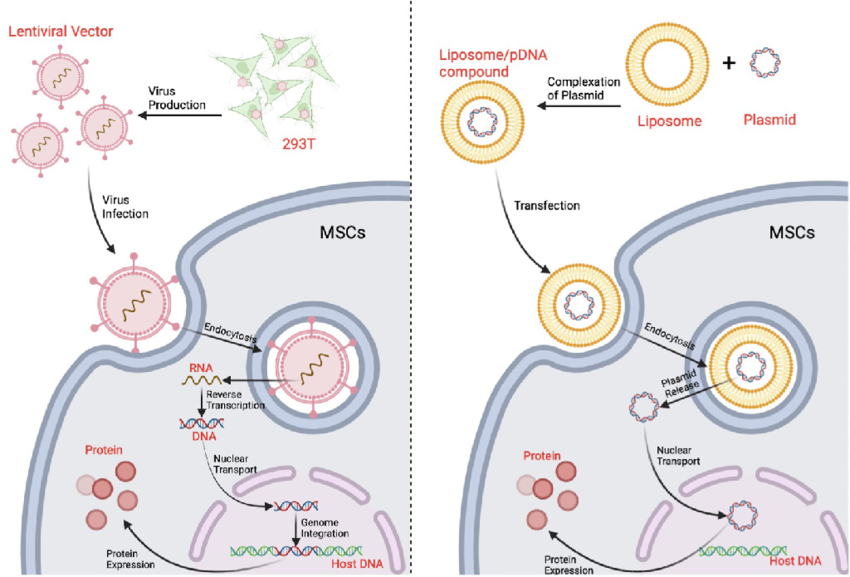
| Lentiviral | Hard‑to‑transfect cells -- primary cells, T cells, stem cells |
| Transposon (piggyBac, Sleeping Beauty) | High‑efficiency integration with low toxicity -- a good non‑viral alternative |
4. How do I know which transfection method to use?
| Method | Cell type |
|---|---|
| Lipofection | HEK293, CHO, HeLa -- easy, cost‑effective |
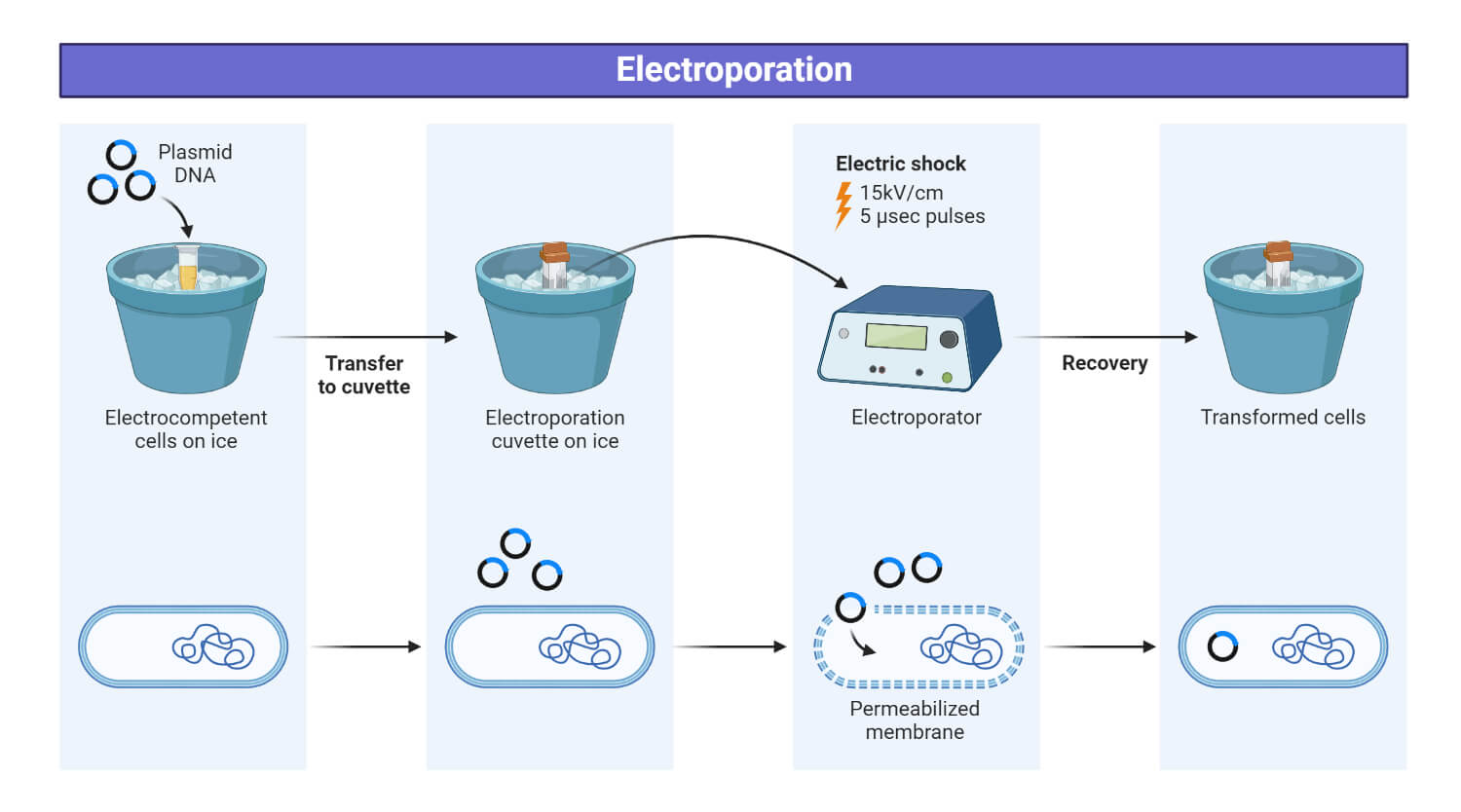
| Electroporation | T cells, NK cells, iPSCs, primary cells -- works on nearly any cell type |
| Lentiviral transduction | Primary cells, stem cells, suspension cells -- high efficiency, integrates well |
5. What's the single most common mistake beginners make?
Adding antibiotic immediately after transfection -- before the resistance gene has had time to express. Always allow a recovery period (24--72 hours depending on method). Otherwise, even successfully transfected cells will be killed.
6. My cells survived selection but don't express my protein. What went wrong?
Possible causes:
- The resistance gene is expressed but your gene of interest isn't (e.g., promoter silencing, integration into a silent genomic region).
- The plasmid wasn't sequenced -- there may be a mutation or frameshift.
- You used a polyclonal population without isolating high‑expressing clones.
Action: sequence your plasmid, pick single clones, and screen them by RT‑qPCR and Western blot to find a high expresser.
7. Do I need to run a kill curve every time?
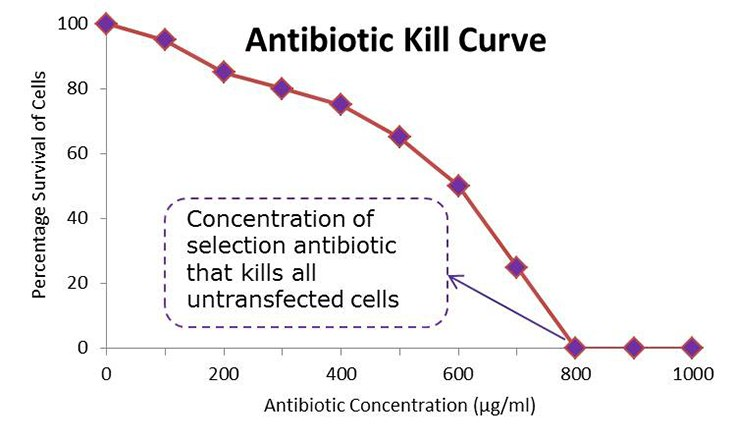
Yes -- whenever you change cell line, medium, or antibiotic batch. Different lines have very different sensitivities. Skipping this step is one of the main reasons stable line generation fails.
8. How many passage numbers can I use before the line degrades?
There is no fixed number -- it depends on the cell type and transgene. As a rule of thumb, keep passage numbers low and refresh from your Master Cell Bank regularly. Monitor expression after every 5--10 passages, especially if the line is used for long‑term experiments.
9. Can I skip single‑clone isolation if I only need the line for a short experiment?
If your experiment runs for only a few days and doesn't require high reproducibility, a polyclonal pool might suffice. But for any long‑term study, publication, or production work -- do not skip it.
10. My fluorescent signal is bright -- is that enough?
No. Fluorescence only reports the reporter gene. It does not tell you:
- whether your target protein is expressed at the same level;
- whether it is correctly folded, localised, or functional.
Always verify at the protein level (Western blot, functional assay) -- not just by looking at the microscope.


