
In April 2026, AntibodySystem products continued to support cutting-edge multidisciplinary research, contributing to studies published in journals including Nature Publishing Group journals, Angewandte chemie International Edition, EMBO Molecular Medicine, Bioorganic Chemistry, Cancers, and Sensors. These studies span key areas such as early cancer diagnostics, bone metabolism disorders, renal fibrosis, neuroimaging, viral vaccines, and tumor immunotherapy, further advancing innovation in frontier technologies and translational medicine.
1. IF: 16.9 Angewandte chemie International Edition


Title
Molecular Engineering of an Isomeric Raman Reporter Palette With Synergistic Multidimensional Enhancement for Point-of-Care SERS Screening of Respiratory Pathogens
Key Findings
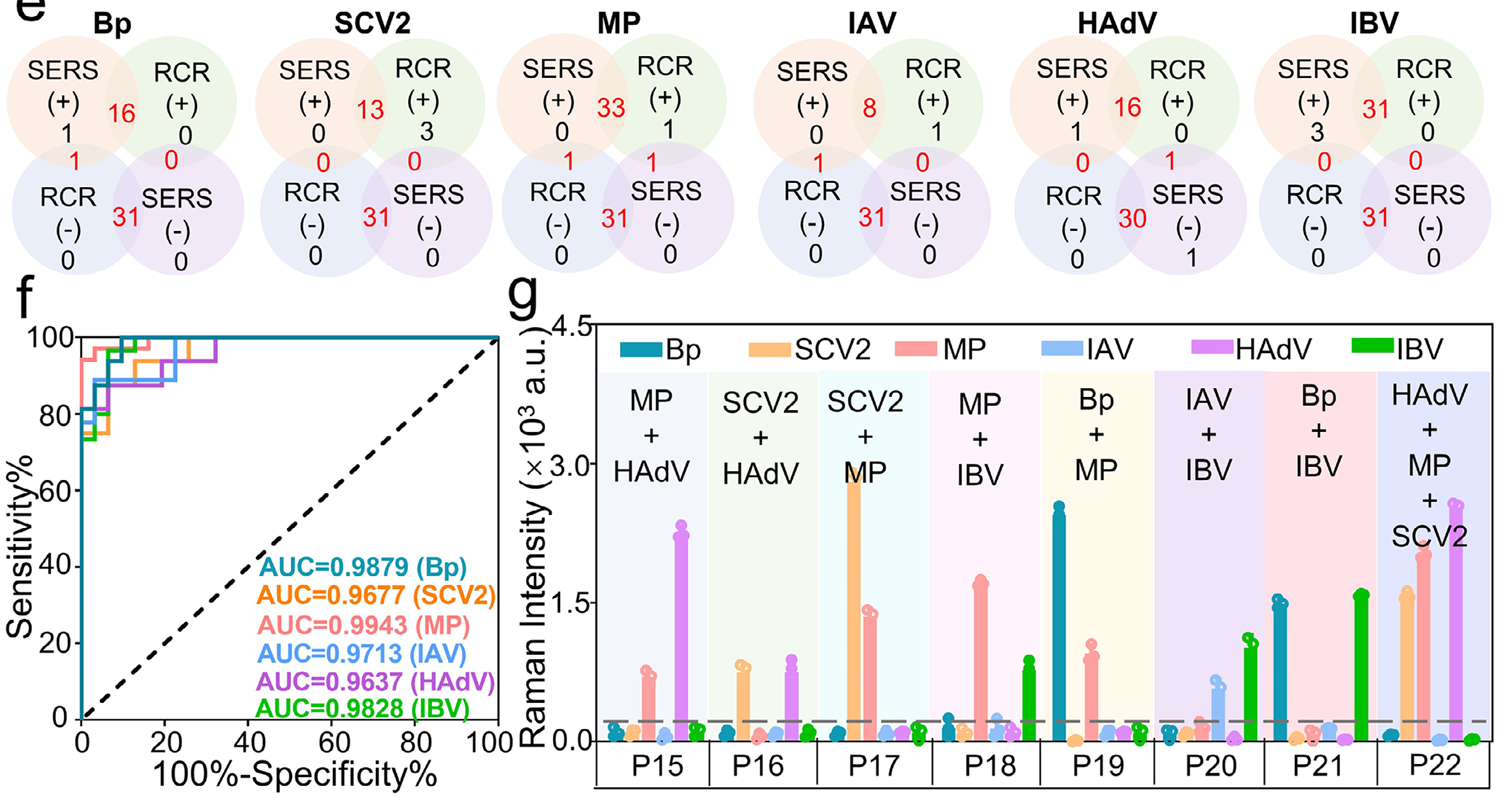
This study developed a spectral library composed of 24 isomeric Raman reporter molecules through molecular engineering strategies. By integrating multilayer Ag-on-Cu reporter structures (MARS) with sub-10 nm gap SERS enhancement arrays (SENSE), the platform achieved multidimensional synergistic signal amplification. Using a handheld Raman spectrometer, the researchers simultaneously screened six respiratory pathogens (Bp, SCV2, MP, IAV, IBV, and HAdV) in 139 clinical nasal swab samples, achieving performance comparable to RT-PCR. The work presents a promising multiplex point-of-care testing (POCT) platform for respiratory pathogen detection.

Cited Products
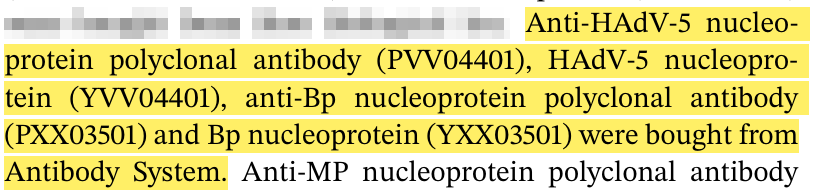
PXX03501|Anti-Bordetella pertussis ptxA/PTXS1 Polyclonal Antibody
YXX03501|Recombinant Bordetella pertussis ptxA/PTXS1 Protein, N-His
PVV04401|Anti-HAdV-5 L3/CP-H/Protein II Polyclonal Antibody
YVV04401|Recombinant HAdV-5 Hexon Protein, N-His
Applications
The above antibodies were used to functionalize the SENSE array for the specific capture of Bordetella pertussis (Bp) and human adenovirus (HAdV). Corresponding recombinant antigens were further employed for sensitivity validation using concentration gradients and specificity assessment through cross-reactivity testing, confirming the targeted detection capability of the SERS platform for both pathogens.
2. IF: 8.3 EMBO Molecular Medicine

Title
Broadly neutralizing nanobodies target a defined structural pivot site on the RSV fusion protein
Key Findings
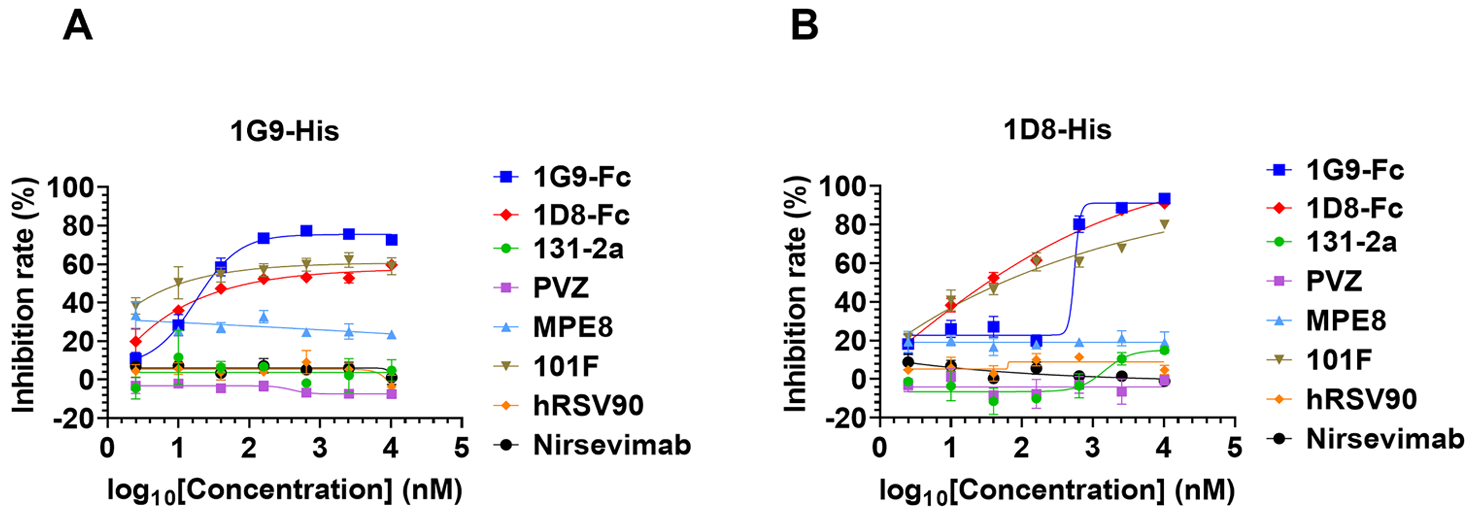
In this study, two nanobodies, 1G9 and 1D8, were isolated from a camelid phage display library. These nanobodies target a conformational pivot site within antigenic site IV of the RSV fusion (F) protein. By simultaneously engaging both stable regions and the metastable HRB domain, the nanobodies lock the F protein in its prefusion conformation, thereby blocking viral membrane fusion. In vivo studies demonstrated that the 1G9-Fc fusion protein effectively suppressed RSV A2 infection in both prophylactic and therapeutic models, while also exhibiting broader neutralizing activity against RSV subtype B than the marketed antibody Nirsevimab.
Cited Products
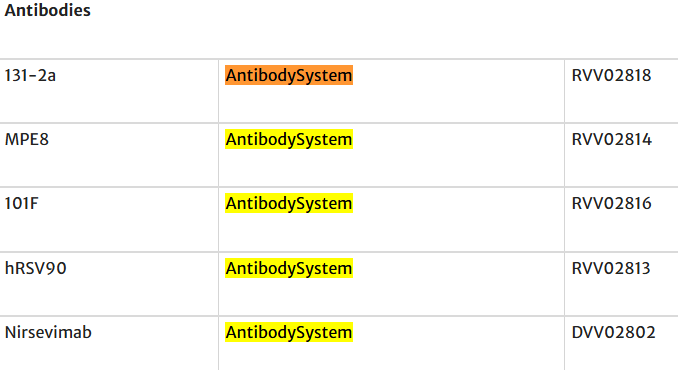
RVV02818|Anti-HRSV F Protein Antibody (131-2A)
RVV02814|Anti-HRSV-A F/Fusion glycoprotein F0 Antibody (MPE8)
RVV02816|Anti-HRSV-A F/Fusion glycoprotein F0 Antibody (101F)
DVV02813|Research Grade Anti-RSV F/Fusion glycoprotein F0
DVV02802|Research Grade Nirsevimab

Applications
In competitive ELISA assays, the five reference antibodies recognizing distinct antigenic sites on the RSV F protein were used to compete with candidate nanobodies 1G9 and 1D8 for binding. Significant competition was observed only with 101F (site IV), enabling the identification of antigenic site IV as the epitope targeted by 1G9 and 1D8.
3. IF: 4.7 Bioorganic Chemistry


Title
Design, synthesis and evaluation of novel substituted 4,5,6,7-tetrahydrobenzo[b]thiophene derivatives as potential anti-ZIKV agents
Key Findings
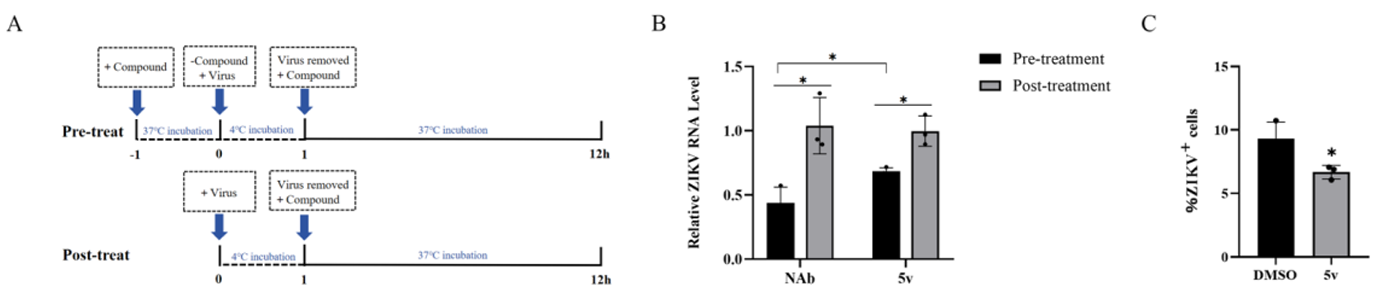
Starting from the initially identified tetrahydrobenzo[b]thiophene scaffold compound 5a, the researchers designed and synthesized a series of novel derivatives. Among them, compound 5v demonstrated potent anti-ZIKV activity across multiple cell models, including Vero, A549, and U251 cells, and showed efficacy against both Asian-lineage HPF2013 and African-lineage MR766 strains. Mechanistic studies revealed that 5v functions as a novel ZIKV entry inhibitor by blocking viral particle attachment to the cell surface, providing a promising scaffold and lead compound for anti-ZIKV drug development.


Cited Products
VVV31401|InVivoMAb Anti-ZIKV Envelope protein E Antibody (Z23)

Applications
In time-of-addition assays, this ZIKV envelope protein-neutralizing antibody (0.1 μg/mL) was used as a positive control. Pre-incubation of the antibody with the virus effectively blocked ZIKV infection, whereas antibody addition after viral adsorption showed no inhibitory effect. Comparison with the inhibition profile of compound 5v confirmed that 5v primarily acts during the early stage of viral entry, specifically during viral attachment to the cell surface.
4. IF: 4.4 Cancers


Title
Humanized Murine Glioblastoma Models for Evaluation of Coxsackievirus Oncolytic Therapy
Key Findings
This study established "humanized" tumor models by stably expressing the human CXADR receptor in murine glioma cell lines (CT-2A and GL261) and melanoma cells (B16) through lentiviral transduction. The engineered models retained the tumorigenicity of parental cells in immunocompetent mice while displaying significantly enhanced susceptibility to human group B coxsackieviruses, including the CVB5 LEV14 strain. In vivo experiments demonstrated that intratumoral or intravenous administration of LEV14 effectively suppressed tumor growth and prolonged survival, providing a practical immunocompetent platform for preclinical evaluation of oncolytic enteroviruses


Cited Products
RHF63401|Anti-Human CXADR Antibody (SAA0357)


Applications
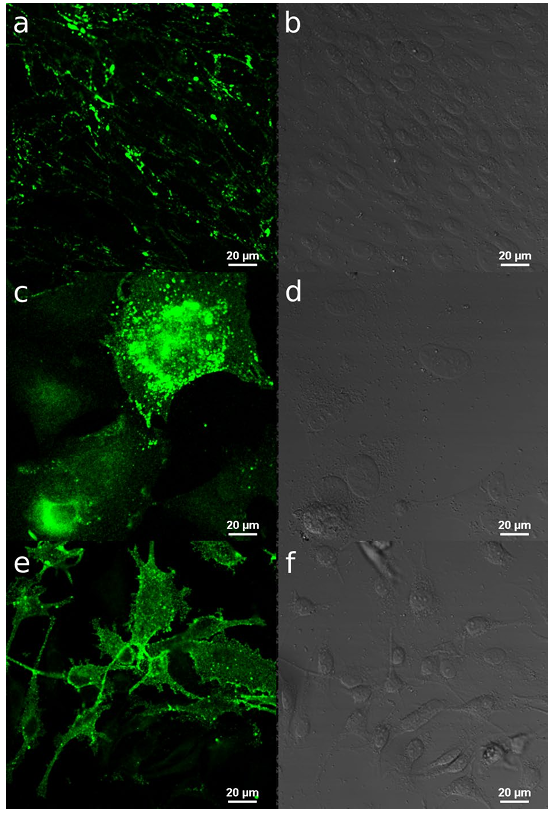
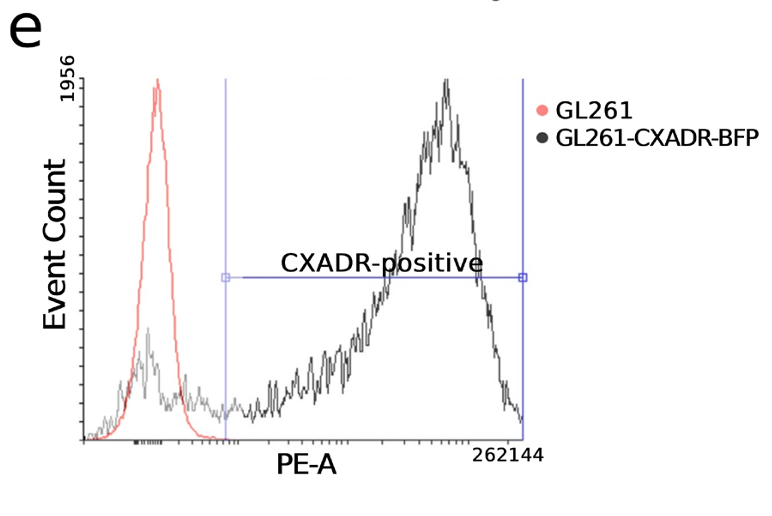
Human CXADR expression in engineered murine tumor cells was validated by both immunocytochemistry (ICC) and flow cytometry. ICC analysis showed clear membrane-localized or intracellular vesicle-like fluorescence signals in humanized cells, whereas parental cells showed no detectable signal. Flow cytometric quantification further confirmed surface CXADR expression in all three engineered cell lines, with GL261-CXADR-BFP showing the highest expression level and B16-CXADR-BFP the lowest.
5. IF: 3.5 Sensors


Title
A Wearable Electrochemical Sensing Platform for Rapid Detection of Organophosphorus Pesticides: A Flexible Biosensor Based on Screen-Printed Electrodes and Organophosphorus Hydrolase
Key Findings
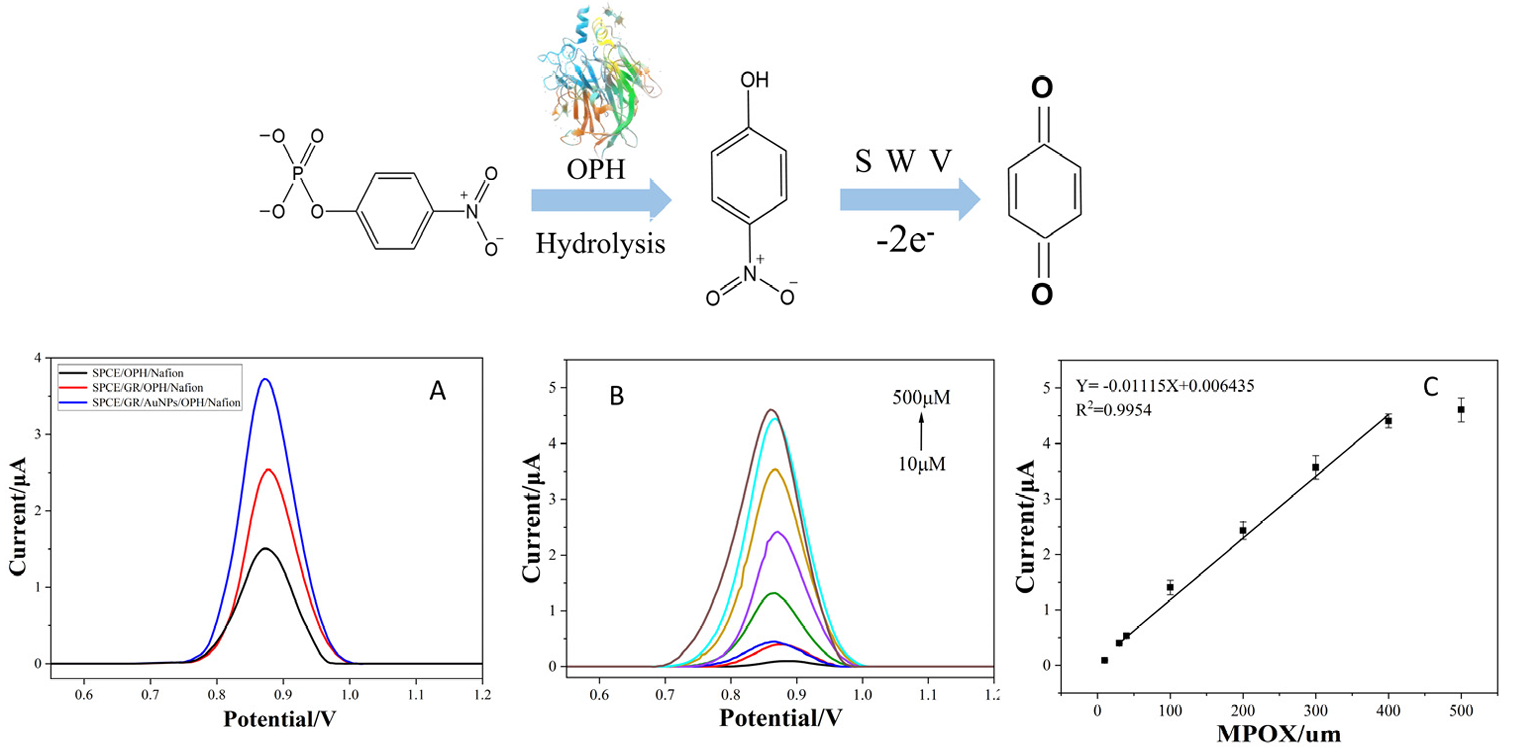
In this study, screen-printed carbon electrodes (SPCEs) were fabricated on a thermoplastic polyurethane (TPU) flexible substrate and sequentially modified with graphene (GR), gold nanoparticles (AuNPs), organophosphorus hydrolase (OPH), and Nafion to construct a wearable electrochemical biosensor integrated into glove fingertips. The sensor demonstrated a wide linear detection range and low detection limit for methyl paraoxon (MPOX). After 100 bending cycles, signal loss remained below 5%, and the platform exhibited excellent recovery rates and anti-interference performance in testing cabbage, tap water, and multiple contaminated surfaces.


Cited Products
YHD73101|Recombinant Human PON1 Protein, N-His

Applications
The recombinant protein was immobilized on the SPCE/GR/AuNP-modified electrode surface using Nafion to establish the enzymatic electrochemical sensing interface. OPH catalyzed the hydrolysis of methyl paraoxon (MPOX) to generate p-nitrophenol (PNP), and the oxidation current of PNP was measured by square-wave voltammetry (SWV), where a characteristic oxidation peak appeared at approximately 0.85 V, enabling quantitative detection of organophosphorus pesticides.
6. BioRxiv

Title
Brain FGF2 and NCAM1 contribute to FGFR1-dependent progression of ER+ breast cancer brain metastases in young and aged hosts
Key Findings
This study revealed that FGFR1 amplification promotes ER+ breast cancer brain metastasis through two distinct mechanisms. In young hosts, FGFR1 activation is driven by astrocyte-derived FGF2 via canonical ligand signaling. In aged or estrogen-deprived hosts, FGFR1 is activated through non-canonical interactions with NCAM1 expressed on neurons and astrocytes. This microenvironment-dependent FGFR1 activation primarily facilitates early metastatic colonization in the brain rather than progression of established lesions, providing preclinical support for the use of FGFR inhibitors to prevent brain metastasis in high-risk patients.


Cited Products
RMC38201|Anti-Mouse FGF2/bFGF Antibody (GAL-F2)

Applications
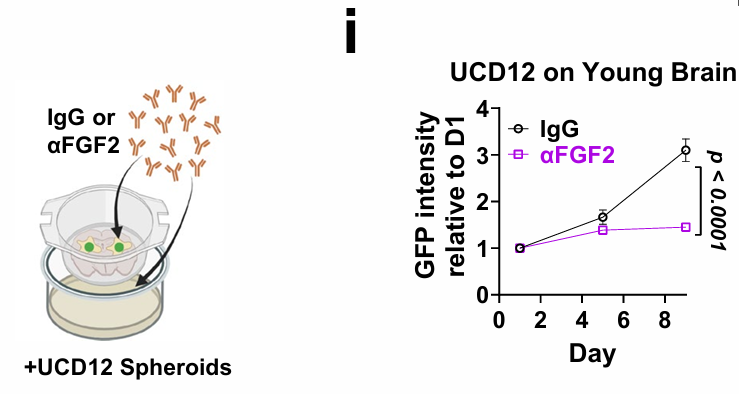
In ex vivo organotypic brain slice co-culture experiments, young mouse brain slices were pretreated with an anti-FGF2 neutralizing antibody prior to co-culture with UCD12 breast cancer spheroids. Blocking FGF2 signaling significantly suppressed spheroid growth, demonstrating that astrocyte-derived FGF2 promotes ER+ breast cancer cell growth within the brain microenvironment through the FGFR1 signaling pathway.
The above highlights represent selected publications citing AntibodySystem products in April 2026.
AntibodySystem provides a comprehensive portfolio of research reagents, including recombinant proteins, flow cytometry antibodies, viral antigens and antibodies, small molecule antibodies, phospho-specific antibodies, and ELISA kits, supporting applications in drug target discovery, immunoassays, allergy mechanism exploration, virology, and oncology therapeutic development.


