
New Citations in February 2026
In February 2026, AntibodySystem products powered multidisciplinary research worldwide. Molecular Cancer revealed how Fusobacterium nucleatum manipulates host autophagy for immune evasion in nasopharyngeal carcinoma. Advanced Materials presented a circular RNA strategy to prevent vascular graft restenosis. Advanced Science showed indole-3-propionic acid improves bronchopulmonary dysplasia via autophagic flux regulation. Neoplasia uncovered the "energy symbiosis" between bladder cancer cells and adipocytes via fatty acids. Studies on Lassa virus drug repurposing, VDAC1-mtDNA in disc degeneration, and costunolide targeting HSP90 for colitis further advanced antiviral and degenerative disease research. AntibodySystem will continue empowering global researchers to expand the frontiers of life sciences and translational medicine.
IF 33.9 Molecular Cancer
Title: Fusobacterium nucleatum manipulates host autophagy to promote its intracellular survival and treatment resistance in nasopharyngeal carcinoma
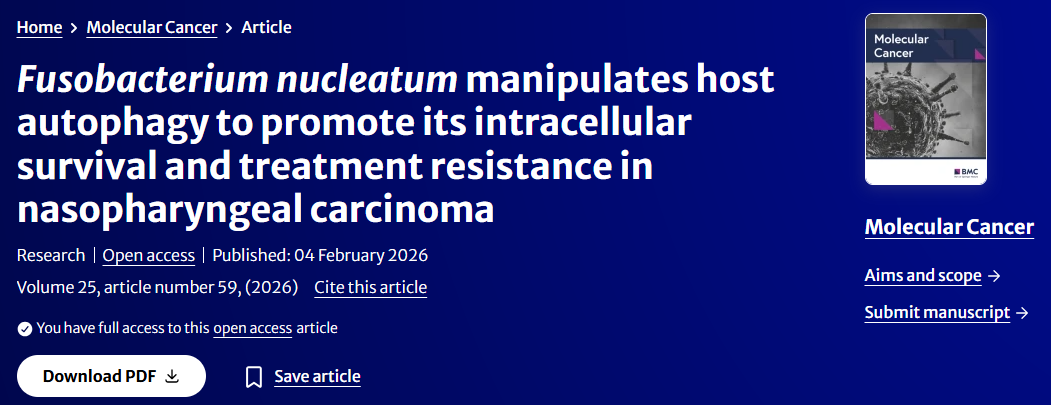
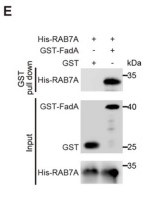
Core Finding: This study reveals that Fusobacterium nucleatum (F. nucleatum), particularly its C2 clade (Fna C2), promotes its persistent intracellular survival in nasopharyngeal carcinoma (NPC) cells by secreting the virulence protein FadA. FadA recruits the E3 ubiquitin ligase TRIM28, which in turn facilitates K48-linked ubiquitination and subsequent degradation of the host RAB7A protein. This degradation disrupts autophagic flux by blocking autophagosome–lysosome fusion. The intracellular persistence of the bacterium consequently renders tumor cells resistant to radiotherapy and chemotherapy. Clinical sample analysis further confirms that high intratumoral abundance of F. nucleatum is significantly associated with poor prognosis and tumor recurrence in NPC patients.
Cited Product: Catalog No. YHE80201|Recombinant Human RAB7A Protein, N-His

IF 26.8 Advanced Materials
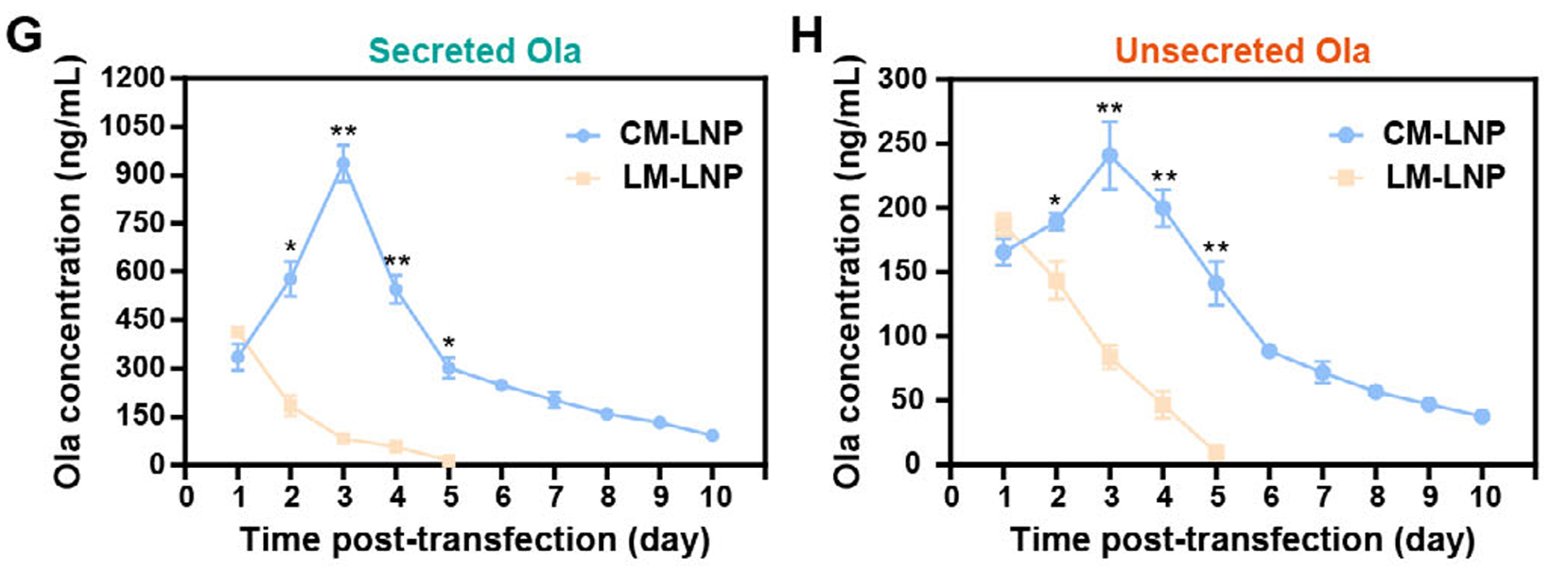
Title: Safeguarding VSMC Contractile Phenotype With In Situ circRNA-mediated Endothelial Olaratumab Engineering to Prevent Vascular Graft Stenosis
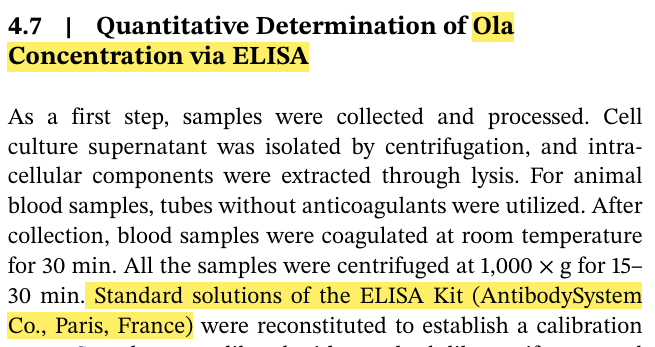
Key Finding: The study developed a functionalized small-diameter vascular graft (SDVG) utilizing circRNA-lipid nanoparticle (LNP) technology. This platform enables in situ expression of olaratumab (Ola) in vascular endothelial cells (ECs), precisely inhibiting platelet-derived growth factor receptor-alpha (PDGFR-α) signaling. The LNPs, dual-modified with RGD and CD47, achieve targeted EC delivery while minimizing macrophage phagocytosis. The encapsulated circRNA facilitates sustained Ola secretion from ECs, which, by blocking PDGF-BB-mediated MAPK and PI3K-AKT pathways, suppresses the phenotypic switch of vascular smooth muscle cells (VSMCs) to a synthetic state, reducing cell migration, invasion, and excessive extracellular matrix deposition. In vivo studies demonstrated that the graft enabled sustained Ola secretion for up to 24 days, accelerated endothelialization, and significantly reduced neointimal hyperplasia and graft calcification over six months, ultimately improving long-term vascular graft patency.
Cited Product: KDD16101 | Olaratumab ELISA Kit
IF 14.1 Advanced Science
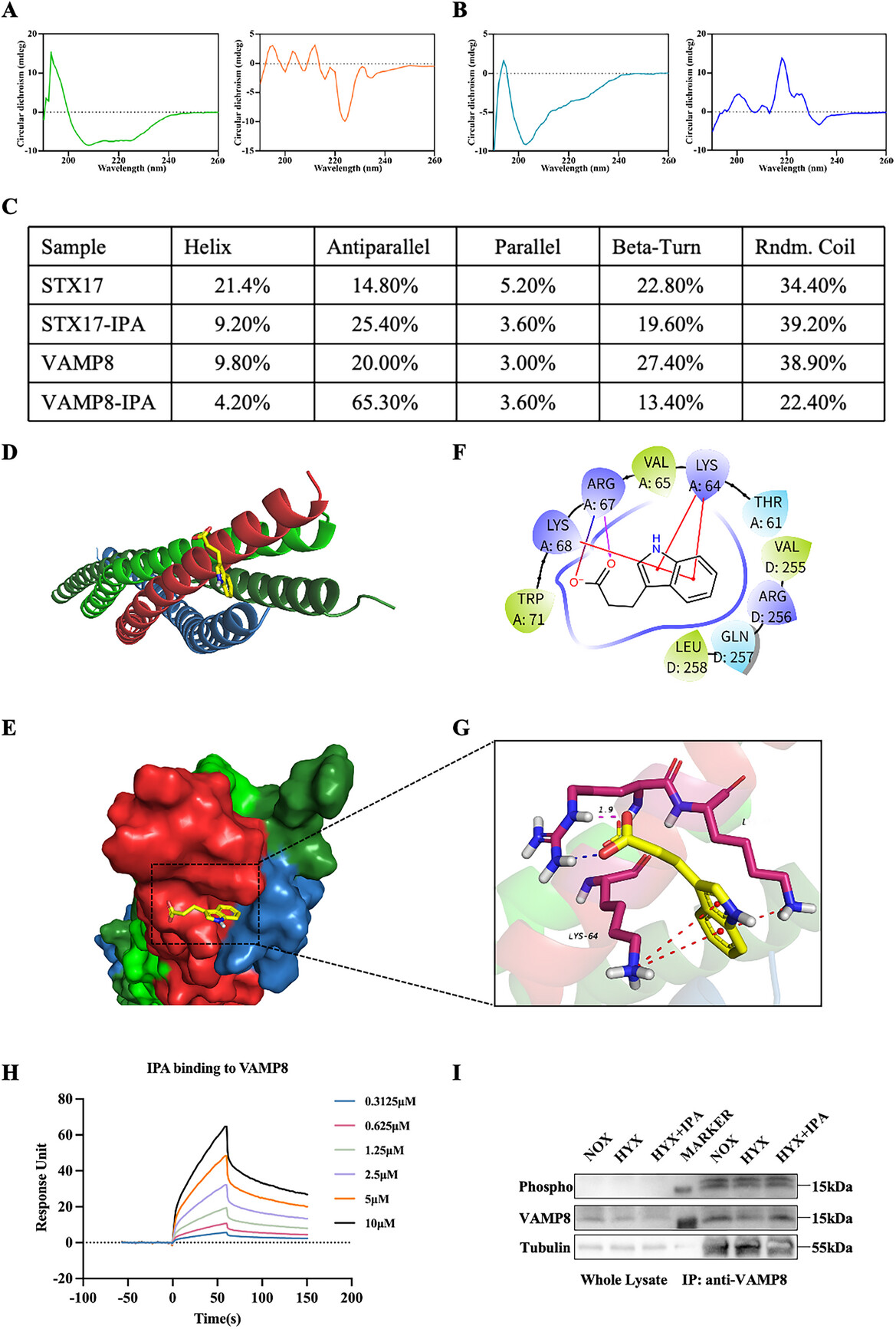
Title: Indole-3-Propionic Acid Improves Alveolar Development Impairment via Targeting VAMP8-mediated SNAREs Complex Formation in Bronchopulmonary Dysplasia
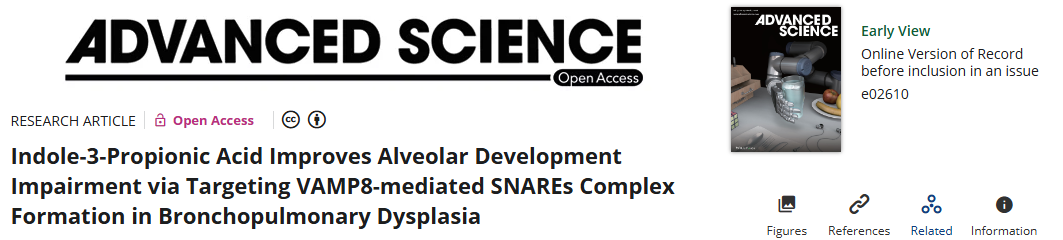
Key Finding: This research identifies the tryptophan metabolite indole-3-propionic acid (IPA) as a key metabolite associated with bronchopulmonary dysplasia (BPD). IPA levels were significantly downregulated in both clinical BPD patients and a hyperoxia-induced BPD mouse model. Mechanistically, IPA directly binds to vesicle-associated membrane protein 8 (VAMP8) and inhibits its phosphorylation. This stabilizes the soluble N-ethylmaleimide-sensitive factor attachment protein receptor (SNARE) complex (comprising VAMP8, STX17, and SNAP29), promoting autophagosome-lysosome fusion and restoring autophagic flux. Consequently, IPA exerts pro-proliferative, anti-apoptotic, and pro-transdifferentiation effects, ameliorating hyperoxia-induced alveolar development arrest. Animal studies confirmed that IPA intervention restored lung function, reduced alveolar simplification, and mitigated lung tissue damage in a BPD mouse model, suggesting a novel therapeutic target for BPD.
Cited Product: YHK73201 | Recombinant Human VAMP8 Protein, N-His-SUMO & C-Strep

IF 7.7 Neoplasia
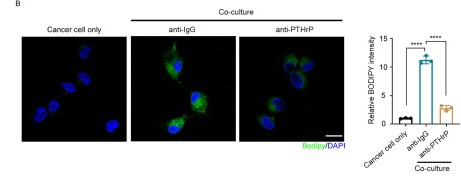
Title: White-to-brown adipose switching promotes bladder cancer progression
Key Finding: Bladder cancer cells secrete PTHrP, which induces browning of perivesical adipose tissue via the PKA signaling pathway. The released free fatty acids (FFAs) are subsequently taken up by cancer cells, reprogramming lipid metabolism and promoting bladder cancer proliferation, invasion, and metastasis. Pharmacological inhibition of PKA with H89 reversed this process. Clinically, high PTHrP/UCP1 expression correlates with poor prognosis in bladder cancer patients, identifying this signaling axis as a potential therapeutic target.
Cited Product: RHC93101 | Anti-Human PTHrP/PTHLH (1-34) Antibody (SAA0326)

IF 6.1 Talanta
Title: Structural tuning of bridging linkers on M13 phages for high-affinity detection of enterovirus A71
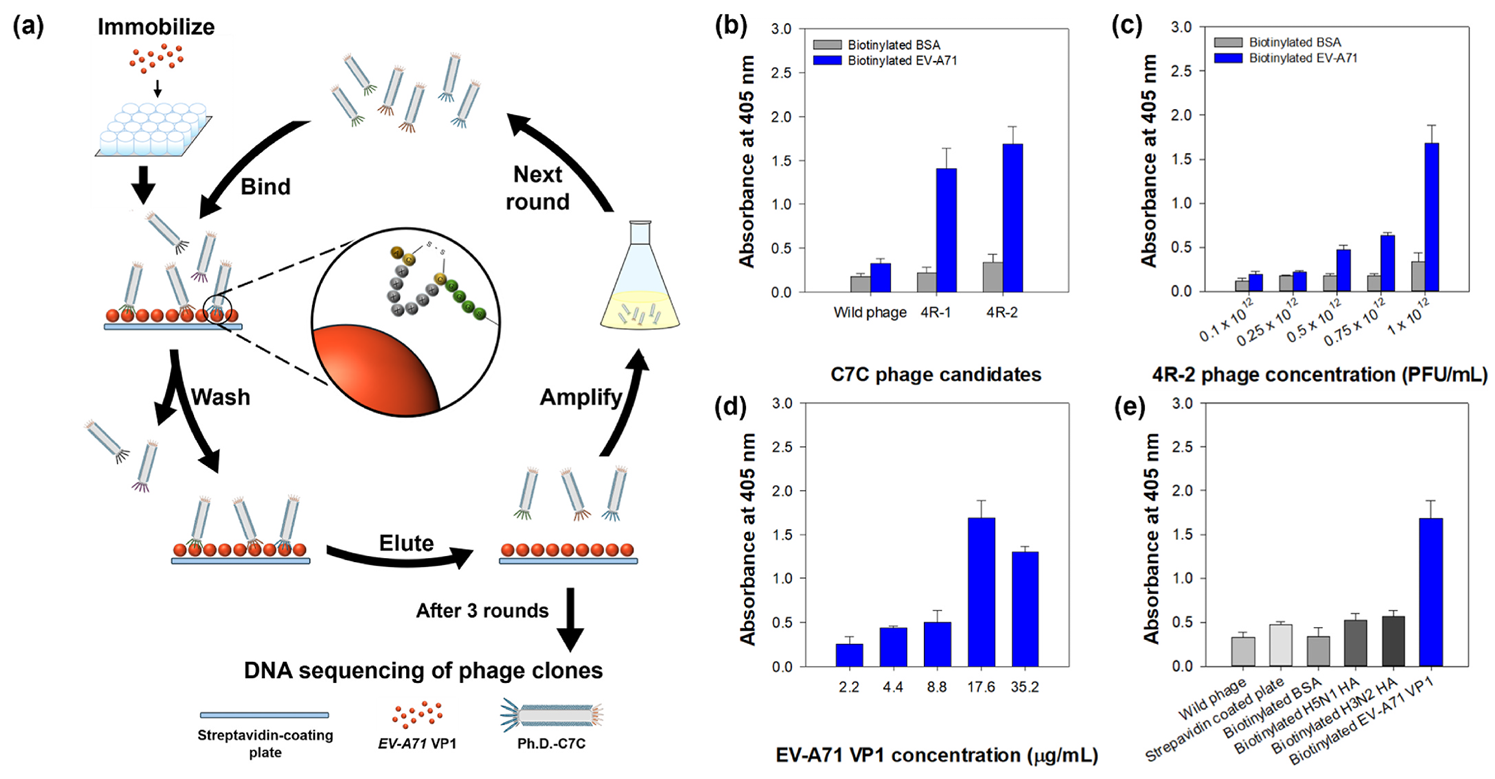
Key Finding: This study screened and identified EV-A71 VP1-specific M13 phage ligands. By optimizing the bridging linker with PEG4-biotin chemical modification, a colorimetric biosensor was constructed. The sensor exhibited excellent linear responses to both VP1 (0.03-3.91 nM) and intact EV-A71 viral particles (10²-10⁶ PFU/mL), achieving detection limits of 0.22 nM and ~10² PFU/mL, respectively. It maintained high sensitivity and specificity even in complex matrices like serum and sewage, offering a promising new platform for rapid on-site detection of EV-A71.
Cited Product: YVV20301 | Recombinant EV71 VP1/Capsid protein VP1 Protein, N-His

IF 4.7 International Immunopharmacology
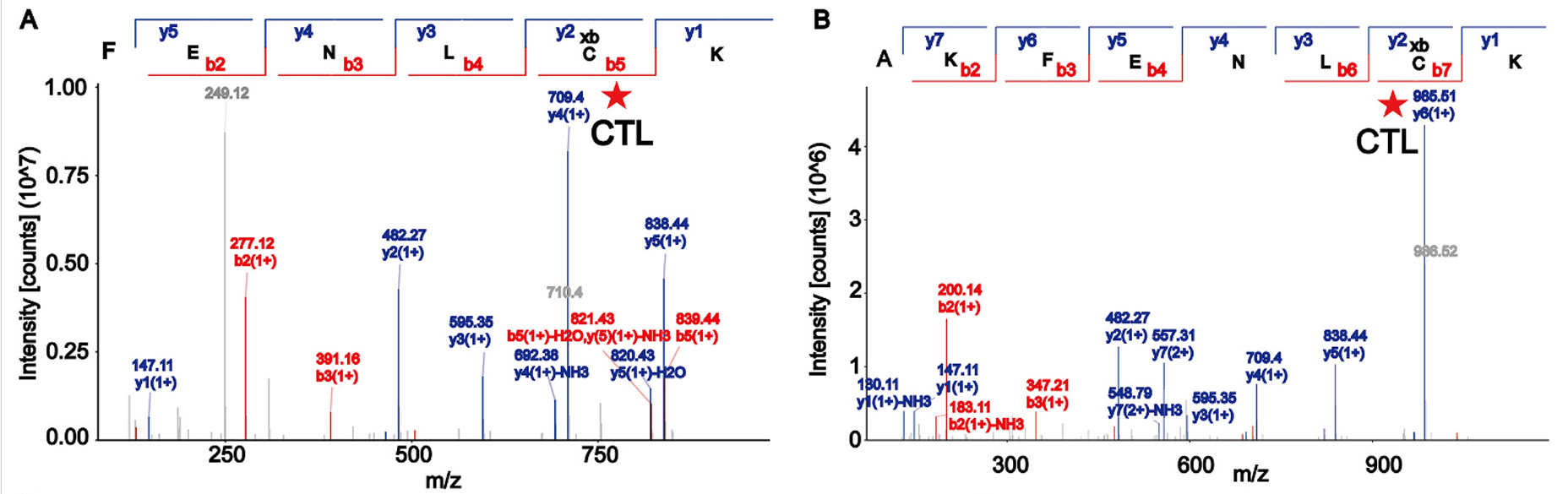
Title: Covalently targeting HSP90 with a natural small-molecule costunolide to inhibit necroptosis and ulcerative colitis
Key Finding: This study reveals that costunolide (CTL), a natural compound, acts as a novel necroptosis inhibitor. CTL covalently binds to Cys572 of HSP90AA1 and Cys564 of HSP90AB1, allosterically inhibiting HSP90 dimerization and its chaperone function. This disrupts the interaction between HSP90 and RIPK1, blocking the RIPK1/3-MLKL necroptosis signaling axis. In an ulcerative colitis (UC) model, CTL treatment alleviated intestinal damage, reduced necroinflammation, and preserved the mucosal barrier. Cys572/564 are identified as novel druggable sites for allosteric inhibition of HSP90.
Cited Product: YHC31801 | Recombinant Human HSP90AB1 Protein, N-His

IF 4.0 Antiviral Research
Title: Identification of Gemcitabine as an Anti-Lassa Virus Inhibitor Using a Robust Biosafety Level-2 System Modeling the Complete Virus Life Cycle
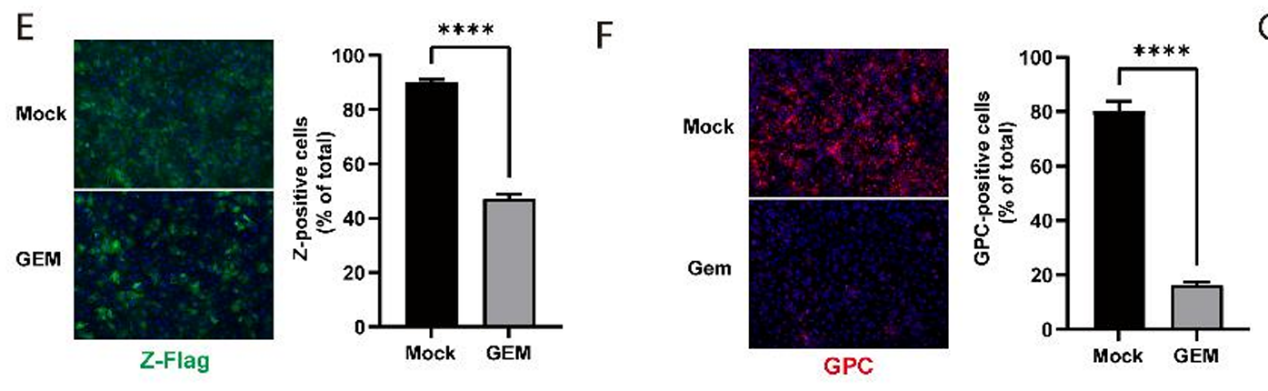
Key Finding: Using a newly established BSL-2 LASVsg system, this study screened and identified the clinically approved drug gemcitabine (GEM) as a potent inhibitor of Lassa virus (IC50 = 0.21 μM, SI > 1429). Its antiviral activity was subsequently validated with live virus in a BSL-4 facility. Mechanistic studies revealed that GEM selectively inhibits viral protein translation through a CTP-dependent mechanism, without affecting viral RNA replication or transcription.
Cited Product: RVV04306 | Anti-LASV GPC Antibody (12.1F)

IF 3.9 Fish & Shellfish Immunology
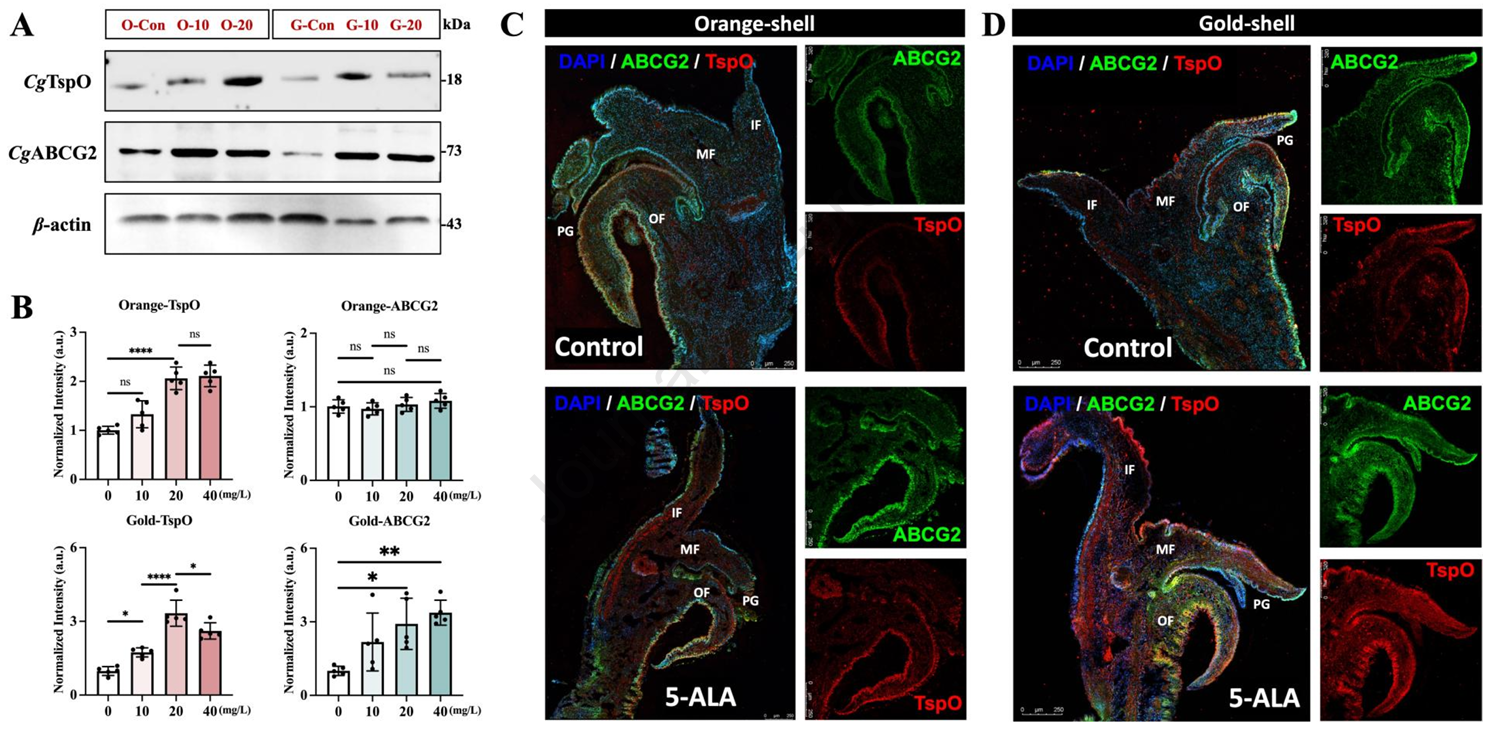
Title: Dietary 5-aminolevulinic acid induces strain-specific effects on shell color and innate immunity in Pacific oyster (Crassostrea gigas) through divergent porphyrin metabolism
Key Finding: Dietary supplementation with 5-ALA had divergent effects on two oyster strains: it enhanced shell color in orange-shell oysters via PPIX deposition, while boosting immunity in gold-shell oysters via heme synthesis. In gold-shell oysters, heme-mediated activation of the Nrf2 antioxidant pathway and the TLR4-MyD88 immune signaling axis was observed. An optimized dose of 20 mg/L achieved strain-specific trait enhancement without affecting growth.
Cited Product: FHJ82310 | Anti-Human CD338/ABCG2 Antibody (5D3)

IF 3.7 Cellular Signalling
Title: VDAC1-mediated cytosolic leakage of mtDNA triggers pyroptosis of nucleus pulposus cells by activating the TLR9 signaling pathway
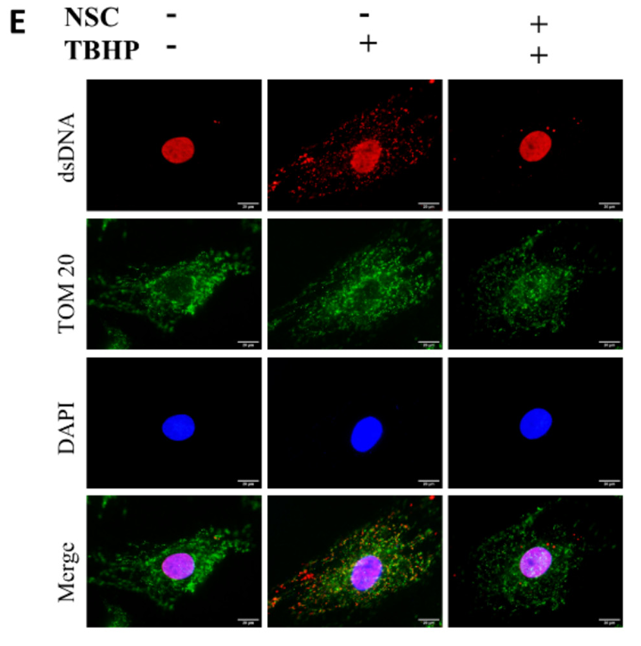
Key Finding: This research demonstrates that oxidative stress upregulates VDAC1 expression and promotes its oligomerization. This facilitates the leakage of mitochondrial DNA (mtDNA) into the cytoplasm through VDAC1 pores, subsequently activating the TLR9 signaling pathway. This cascade triggers pyroptosis in nucleus pulposus cells, exacerbating intervertebral disc degeneration (IVDD). Inhibiting VDAC1 or TLR9 effectively blocked this pathway, alleviating cell pyroptosis and slowing IVDD progression, thereby identifying novel therapeutic targets for IVDD.
Cited Product: RGK24020 | Anti-dsDNA Antibody (3E10#)
bioRxiv
Title: A novel antiviral strategy targeting human metapneumovirus through pH modulation in human airway epithelial cells
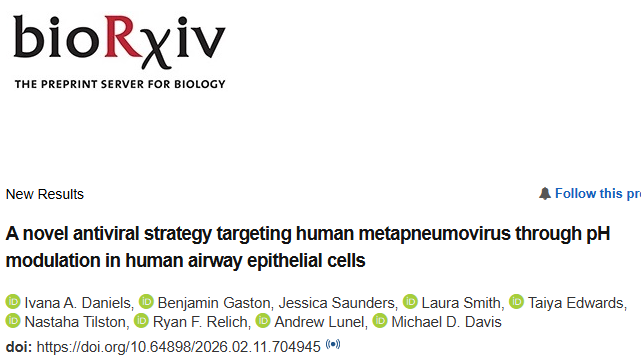
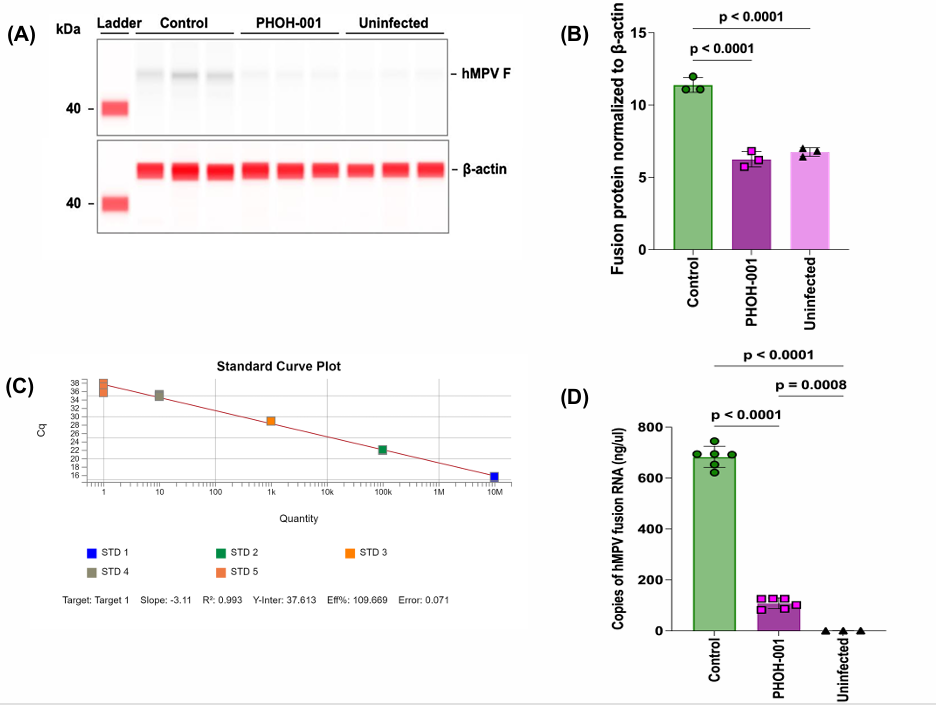
Key Finding: PHOH-001, an inhaled alkaline buffer, significantly inhibits human metapneumovirus (hMPV) infection by increasing both extracellular and intracellular pH in human airway epithelial cells. Its mechanism involves altering viral F protein localization, disrupting actin organization, and reducing syncytia formation and viral replication. PHOH-001 demonstrated efficacy in both submerged and air-liquid interface (ALI) culture models, presenting a novel therapeutic strategy against hMPV.
Cited Product: PVV22901 | Anti-HMPV F/Fusion glycoprotein F0 Polyclonal Antibody
clonal Antibody

The above are some of the scientific papers citing AntibodySystem products in February 2026. AntibodySystem can provide a full range of scientific research reagent products, including recombinant proteins, flow cytometry antibodies, anti-IgE antibodies, phosphorylated antibodies, and ELISA kits, which accurately serve fields such as drug target research, immunoassays, allergic mechanism exploration, and tumor treatment development.


