Inductive differentiation of two neural lineages reconstituted in a microculture system from Xenopus early gastrula cells., PMID:1769329
In vitro mutagenesis of HLA-B27: single and multiple amino acid substitutions at consensus B27 sites identify distinct monoclonal antibody-defined epitopes., PMID:1379218
HLA-B*0702 antibody epitopes are affected indirectly by distant antigen residues., PMID:7681814
Basic fibroblast growth factor induces differentiation of neural tube and neural crest lineages of cultured ectoderm cells from Xenopus gastrula., PMID:8306875
HLA-B67: a member of the HLA-B16 family that expresses the ME1 epitope., PMID:7517584
Analysis of HLA-B*2705 peptide motif, using T2 cells and monoclonal antibody ME1., PMID:7910590
A monoclonal antibody that recognizes HLA-B27 in the context of peptides., PMID:8301124
Immunocytochemical characterization of cell lines from human malignant mesothelioma: characterization of human mesothelioma cell lines by immunocytochemistry with a panel of monoclonal antibodies., PMID:7512071
Mouse/human chimeric Me1-14 antibody: genomic cloning of the variable region genes, linkage to human constant region genes, expression, and characterization., PMID:8050781
ME1-antibody labelling of primary bronchogenic tumours and extrapulmonary malignancies., PMID:7529122
Phase I studies of treatment of malignant gliomas and neoplastic meningitis with 131I-radiolabeled monoclonal antibodies anti-tenascin 81C6 and anti-chondroitin proteoglycan sulfate Me1-14 F (ab')2--a preliminary report., PMID:8523067
The subtilisins of the invertebrate mycopathogens Verticillium chlamydosporium and Metarhizium anisopliae are serologically and functionally related., PMID:7729666
Catabolism of radioiodinated murine monoclonal antibody F(ab')2 fragment labeled using N-succinimidyl 3-iodobenzoate and Iodogen methods., PMID:7578370
Expression of platelet-derived growth factor (PDGF) and PDGF receptors in human malignant mesothelioma in vitro and in vivo., PMID:8683381
A comparison of immunohistochemical staining of human cultured mesothelial cells and ovarian tumour cells using epithelial and mesothelial cell markers., PMID:8888953
Specificity of two anti-class I HLA monoclonal antibodies that block class I recognition by the NKB1 killer cell inhibitory receptor., PMID:8946681
Interleukin 1alpha and interleukin 6 promote the in vitro growth of both normal and neoplastic human cervical epithelial cells., PMID:9062407
Highly conserved Neisseria meningitidis surface protein confers protection against experimental infection., PMID:9104804
Cutting edge: HLA-B27 can form a novel beta 2-microglobulin-free heavy chain homodimer structure., PMID:10227970
Biotinylation of class I MHC molecules abrogates recognition by W6/32 antibody., PMID:10395109
Phenotypic and functional characteristics of porcine peritoneal mesothelial cells., PMID:10614873
Dependence of CD8+ T-cell-mediated suppression of HIV type 1 on viral phenotypes and mediation of phenotype-dependent suppression by viral envelope gene and not by beta-chemokines., PMID:10659051
Primary structure, genomic organization and expression of the major secretory protein of murine epididymis, ME1., PMID:10863096
Biosynthesis of ribosome-inactivating proteins from callus and cell suspension cultures of Mirabilis expansa (Ruiz &Pavon)., PMID:30754835
The recognition of HLA-B27 by human CD4(+) T lymphocytes., PMID:11509603
Single-chain antibody against the common epitope of mutant p53: isolation and intracytosolic expression in mammalian cells., PMID:11684134
The genetically-engineered secretory B27/Q10 chimeric molecule inhibits HLA-B27 restricted alloreactive T-lymphocytes., PMID:12175099
Uniquely conformed peptide-containing beta 2-microglobulin-free heavy chains of HLA-B2705 on the cell surface., PMID:12370371
Bacterial expression and enzymatic activity analysis of ME1, a ribosome-inactivating protein from Mirabilis expansa., PMID:15721782
Single chain antibody against the common epitope of mutant p53 restores wild-type activity to mutant p53 protein., PMID:16213502
The amino acid at position 97 is involved in folding and surface expression of HLA-B27., PMID:16361312
Two HLA-B27 alleles differently associated with spondylarthritis, B*2709 and B*2705, display similar intracellular trafficking and oligomer formation., PMID:17599742
Tumor necrosis factor-alpha and interleukin-1 antagonists alleviate inflammatory skin changes associated with epidermal growth factor receptor antibody therapy in mice., PMID:19584274
A novel combined vaccine candidate containing epitopes of HCV NS3, core and E1 proteins induces multi-specific immune responses in BALB/c mice., PMID:19646486
[Preparation of a monoclonal antibody against fusion protein preM/EIII of WNV]., PMID:22588939
Expression of aberrant HLA-B27 molecules is dependent on B27 dosage and peptide supply., PMID:23625978
Critical role of endoplasmic reticulum aminopeptidase 1 in determining the length and sequence of peptides bound and presented by HLA-B27., PMID:24504800
Inhibition of H3K9 histone methyltransferase G9a attenuates renal fibrosis and retains klotho expression., PMID:26444031
Antibody-mediated inhibition of EGFR reduces phosphate excretion and induces hyperphosphatemia and mild hypomagnesemia in mice., PMID:28292888
The DNA methylation landscape of enhancers in the guinea pig hippocampus., PMID:29616589
Examining the Roles of H3K4 Methylation States with Systematically Characterized Antibodies., PMID:30244833
Opposing Effects of PPARα Agonism and Antagonism on Refractive Development and Form Deprivation Myopia in Guinea Pigs., PMID:30521668
Malic enzyme 1 is important for uterine decidualization in response to progesterone/cAMP/PKA/HB-EGF pathway., PMID:31944402
Evaluation in broilers of aerosolized nanoparticles vaccine encapsulating imuno-stimulant and antigens of avian influenza virus/Mycoplasma gallisepticum., PMID:32867774
A liposomal RNA vaccine inducing neoantigen-specific CD4+ T cells augments the antitumor activity of local radiotherapy in mice., PMID:32923128
Interim Analysis of the Phase II Study: Noninferiority Study of Doxorubicin with Upfront Dexrazoxane plus Olaratumab for Advanced or Metastatic Soft-Tissue Sarcoma., PMID:33766818
Phase II Randomized Study of CMB305 and Atezolizumab Compared With Atezolizumab Alone in Soft-Tissue Sarcomas Expressing NY-ESO-1., PMID:34260265
USP19 exacerbates lipogenesis and colorectal carcinogenesis by stabilizing ME1., PMID:34965422
Respiratory disease complex due to mixed viral infections in chicken in Jordan., PMID:38417340
Safety and efficacy of pembrolizumab, radiation therapy, and surgery versus radiation therapy and surgery for stage III soft tissue sarcoma of the extremity (SU2C-SARC032): an open-label, randomised clinical trial., PMID:39547252

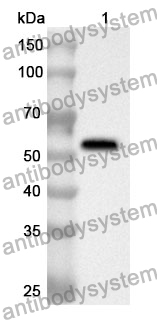
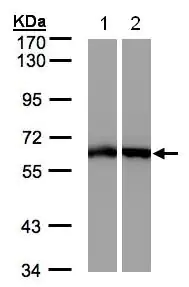
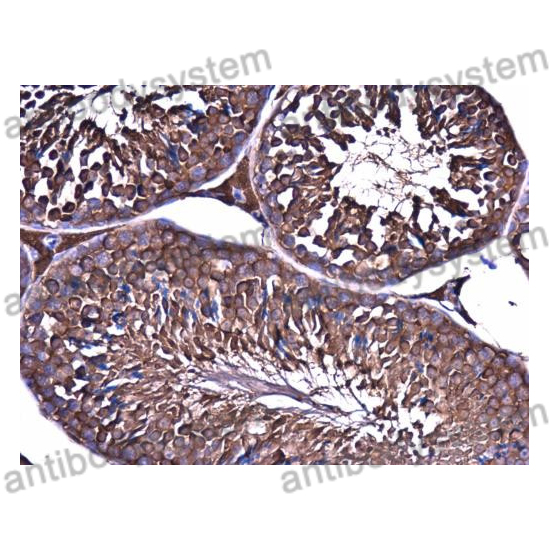
 For research use only. Not for human or drug use.


